
Civil War Ogichidaa, Company K, 1st Michigan Sharpshooters
Trending
MARQUETTE -- Ogichidaa is Anishinaabemowin (Ojibwe) word that primarily translates to "warrior" or "veteran." More broadly it represents anyone who demonstrates extreme courage, puts the needs of their community first, and protects the language, culture and well-being of their people.
In 1861, Kah-ge-ga-gah-bowh, an Ojibwa man who had become a Methodist minister and was also known as George Copway, suggested the recruitment of a regiment of Great Lake Native Americans. Kah-ge-ga-gah-bowh claimed they were "inured to hardships, fleet as deer, shrewd, and cautious." At the time, Michigan's legislature dismissed the idea, due to fear of "arming the savages."
As the war dragged on the situation changed significantly. In 1863, the Union had experienced heavy losses, and a federally imposed draft had occurred. To meet their quotas of recruited soldiers, authorities began allowing Native Americans to serve in the armed forces.
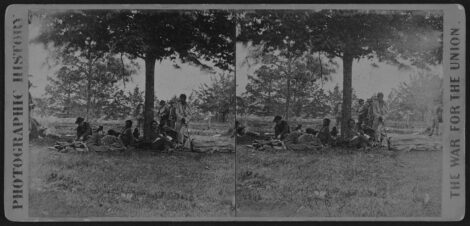
The 1st Michigan Sharpshooters were organized at Kalamazoo and Dearborn between April 14 and Oct. 7, 1863, with the formal mustering into federal service taking place on July 7. The regiment had six companies, including Company K which was the largest, all Native American unit in the Union Army during the Civil War. Most of the 150 men in the unit came from the Ottawa, Delaware, Potawami and Ojibwa nations, with some from the Menominee, Oneida and Hurons as well.
Among the notable members of Company K were Second Lieut. Garrett Graveraet, brother to Marquette's Robert Graveraet and Juliette (Graveraet) Kaufman and uncle to Louis Graveraet Kaufman. Garrett was multi-talented, becoming an officer and led a recruitment drive to strengthen the unit. He even signed up his father, Henry Graveraet, who had to shave 10 years from his true age of 55, to qualify.
Individuals were motivated to serve for many different reasons, including money, proving their loyalty to the government, fear of ending up on the loosing side and the warrior spirit. Many Native Americans hope to gain favor with the federal government by fighting on their behalf. They also saw war service as a means to end discrimination and relocation from ancestral lands to western territories.
The company began either wartime service defending military storehouses and guarding Confederate prisoners of war at Camp Douglas outside of Chicago. During this time, they faced the boredom of camp life, although with the threat of disease. Finally on March 8, 1864, the 1st Michigan Sharpshooters were sent to Maryland to join the Army of the Potomac for the Overland Campaign.
Their first combat came during the battle of the Wilderness on May 6, 1864. The company distinguished itself with their abilities in skirmishing, infiltration and marksmanship. It is reported that the men would use mud and brush to camouflage the dark blue coats and light blue trousers of their Union uniforms.
Unfortunately, Henry died in combat on 12 May 1864 during the Battle of Spotsylvania Court House. On May 20, William H. Reed with the U.S. Sanitary Commission, wrote about four Native Americans from Company K who had been wounded at Spotsylvania. "In a group of four Indian sharpshooters, each with the loss of a limb, of an arm at the shoulder, of a leg at the knee or with an amputation of the thigh, never was patience more finely illustrated. They neither spoke nor moaned, but suffered and died, making a mute appeal to our sympathy, and expressing in both look and manner their gratitude for our care."
A month after Henry's death, on June 17, Garrett was wounded by an artillery shield during action near Petersburg, Virginia. The wounds required the amputation of his left arm and he succumbed to complications on 1 July 1864. During the same attack on Petersburg, 80 soldiers from the Sharpshooters, including 14 men from Company K, were captured. As prisoners of war, the soldiers were sent to the notorious Andersonville Prison, with only half of the men surviving their imprisonments.
To learn more about local Civil War veterans and their experiences, join the Marquette Regional History Center for our Historic Marquette Bus Tours. Enjoy a tour through town on an air-conditioned Checker bus. Sit back and relax, meet a few entertaining historic characters and learn from the tour guide along the route. Each summer, the tours include something new and delight locals and tourists as well. The 90-minute tour departs from and returns to the MRHC. Tickets are $25 and are on sale now. Advanced purchase is recommended. These tours sell out fast. For more information and ticket purchase visit marquettehistory.org
There are eight total tours in July and August; the 6 p.m. tours on Wednesdays: July 15, 22, 29 and Aug. 5 and the 1 p.m. tours on Tuesdays: July 21 & 28 and Aug. 4 & 11.