
Local high school students clean the graves of Barnes-Hecker miners
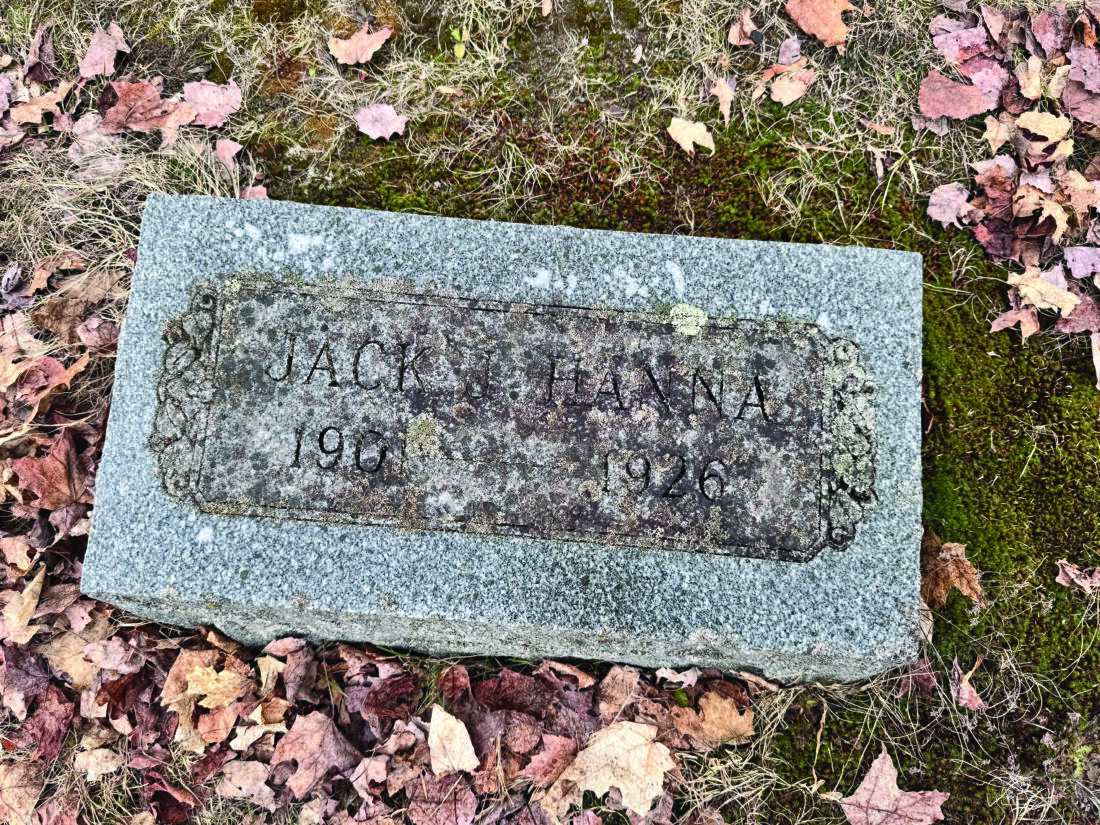
The graves of the men who died in the Barnes-Hecker Mine Disaster have become more difficult to read over the years, as lichen and moss have covered the names. Pictured is the headstone of Jack Hanna. (Journal photo by Annie Lippert)
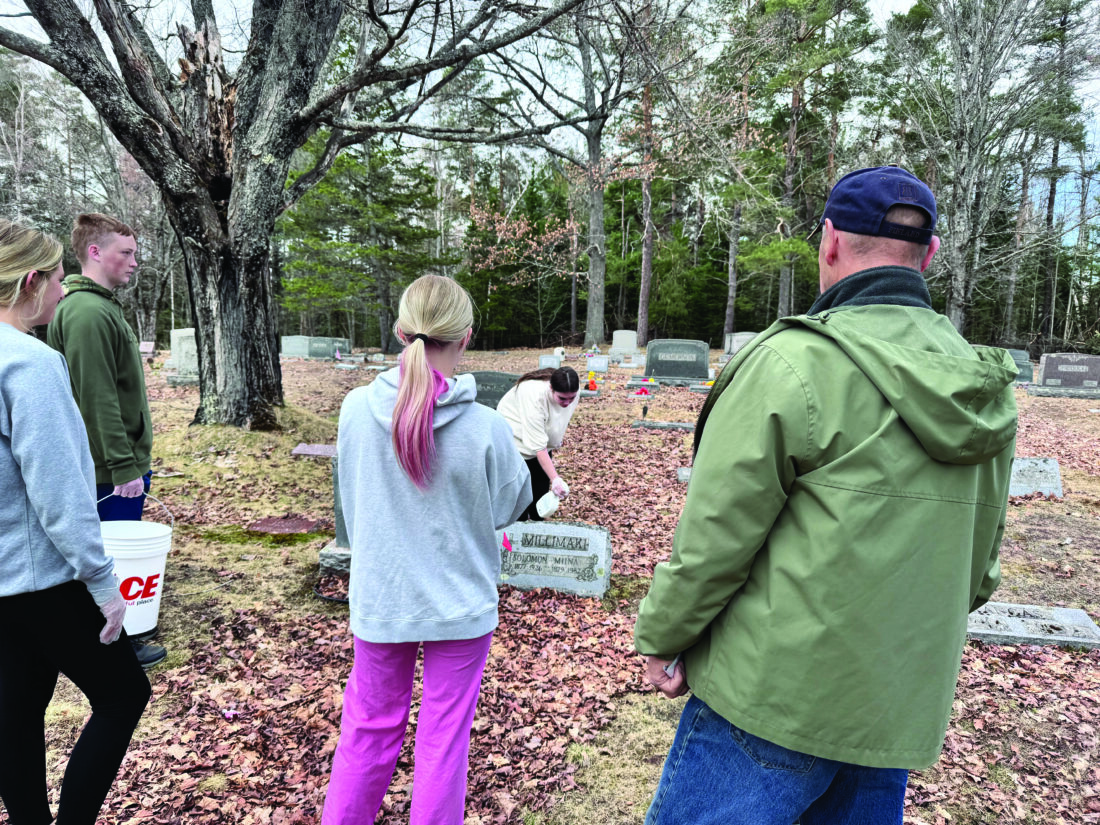
Ishpeming High School students work to find and clean the graves of those who died in the Barnes-Hecker Mine Disaster. (Journal photo by Annie Lippert)
The graves of the men who died in the Barnes-Hecker Mine Disaster have become more difficult to read over the years, as lichen and moss have covered the names. Pictured is the headstone of Jack Hanna. (Journal photo by Annie Lippert)
Ishpeming High School students work to find and clean the graves of those who died in the Barnes-Hecker Mine Disaster. (Journal photo by Annie Lippert)
Trending
ISHPEMING -- On Monday, National Honor Society members from Ishpeming High School traveled to the Ishpeming Cemetery to clean the graves of miners who died in the Barnes-Hecker Mine Disaster, as part of the events leading up to the 100th anniversary of the Disaster in November. Students from Westwood High School will be cleaning graves next week.
Students used a biodegradable biological solution to cleanse the headstones, donning rubber gloves and finding each of the 10 miners buried in the Ishpeming Cemetery. The remaining 41 men who lost their lives in the Barnes-Hecker Mine Disaster are buried in the mine, as their bodies were unable to be recovered.
The headstones, which are 100 years old, have, over time, become covered with lichen, moss and stains. The solution will work to kill the living organisms on the stone while also working on the surface stains so that they can be washed away over time with rainwater.
"I feel like (cleaning the headstones) is important because we're showing our respect to the people who lost their lives in the accident," said Marie, an NHS student from Ishpeming High School.
"And their families," added Tessa, another student.
Students were guided by Gary Walimaa and Paul Heino, two members of the Barnes-Hecker 100th Anniversary Committee. Both Walimaa and Heino have ancestors who worked and died in the mine.
Walimaa's grandfather died in the mine when his mother was one year old.
"They fell on hard times," said Walimaa.
His grandmother was from Finland and didn't speak English, so her son, who was only seven at the time, had to translate for her as she navigated life without the family's breadwinner. She had to work cooking, cleaning, baking and sewing for other families to keep her own family afloat.
Heino's uncle died in the mine, but his grandfather had called in sick the day of the disaster and survived.
"Pretty much the rest of his life he had survivor's guilt," said Heino.
Both Walimaa's grandfather and Heino's uncle are buried in the mine.
The Barnes-Hecker 100th Anniversary Committee will be hosting tours of the Ishpeming Cemetery later this summer, visiting the newly-cleaned graves of the men who lost their lives in the disaster. Tours will be held from 1-4 p.m. on July 19 and Aug. 16.
Annie Lippert can be reached at 906-228-2500, ext. 550. Her email address is alippert@miningjournal.net.