
Conserving nature in the backyard
Wild Ones offering native garden plants
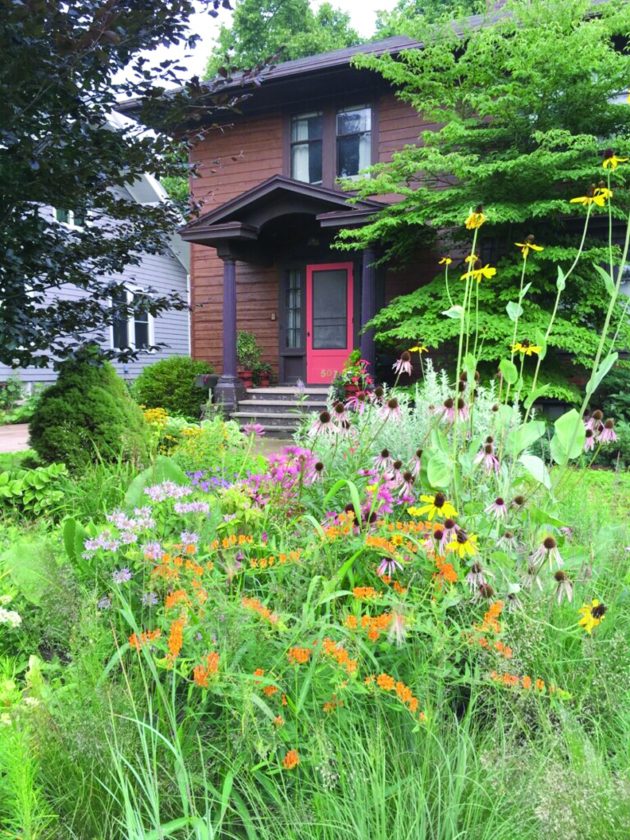
Even a small patch of native plants in a yard can make a positive difference in the environment. Wild Ones has announced the release of nine native garden plans for the public’s use. (Photo courtesy of the Wild Ones)
MARQUETTE — The conservation organization Wild Ones is has announced the release of nine professionally designed native garden plans free for the public to use.
The designs are specific to different ecoregions of the country, including Minneapolis; Chicago; Milwaukee; Toledo; Chattanooga, Tennessee; Boston; St. Louis; Denver; and Tallahassee, Florida.
The designs can be downloaded from the Wild Ones’ newly launched website at nativegardendesigns.wildones.org.
According to Doug Tallamy, author of “Nature’s Best Hope” and an honorary director for Wild Ones, one of the biggest mistakes in the approach to conservation is the idea that “nature” is something set aside in preserves and parks and places people visit, separate from their daily lives. Tallamy said people can no longer leave conservation solely to the conservationists, and that native plant gardens in backyards the best best hope for saving the environment.
Laurie Johnson, president of the local Central Upper Peninsula Chapter of Wild Ones, said in a news release that the Minneapolis and Milwaukee gardens feature plants best suited for the Upper Peninsula. The site provides practical, educationally sound information on native landscaping developed specifically for first-time native plant gardeners looking for help getting started.
Garden designs include a variety of region-specific native plants, which can be downloaded and easily printed for quick reference while selecting plants at a local nursery, Wild Ones said. The website also features a list of nationwide nurseries that are good sources for obtaining native plants.
Wild Ones noted that the designs were created with the premise that using native plants in landscaping “can be beautiful, promote wildlife and can be achievable for gardeners of all skills and budgets.”
The organization stressed that people don’t need to have a huge garden space to use the designs. The gardens are designed to be built incrementally, so individuals can add new areas and new plants as space, time and funds permit.
A patch of soil around the base of a tree or a street corner can be a good spot to get started, Wild Ones said. The gardens also favor species with long and staggered bloom times to not only enhance the beauty of the garden but provide pollen and nectar through the growing season.
“Here in the heavily wooded and relatively unpopulated Upper Peninsula, it is easy to think that we already have plenty of natural areas,” Wild Ones said. “And compared to other areas, that may be true. However, did you notice an abundance of monarch butterflies fluttering about last August and September?
“This is because our area, and the tip of the Stonington Peninsula specifically, is a significant gathering area for thousands of Monarchs as they gather to begin their 2,000-mile journey to Mexico each fall. And locally, we can help them prepare for their lengthy trip.”
Johnson pointed out the importance of providing late summer and fall flowering plants to fuel the monarch’s journey southward. Wildflowers such as ironweed, goldenrod, aster, blazing star, sunflowers and joe-pye-weed are some of the best native fall nectar flowers for monarchs.
Milkweed, she said, is also an important plant in the monarch’s life cycle as it is the only plant upon which the monarch caterpillars feed. The milkweed plant provides all of the nourishment the monarch needs to transform the caterpillar into the adult butterfly.
However, Johnson said milkweed is rapidly disappearing due to the loss of habitat stemming from land development and the widespread spraying of weed killer on the fields where they live. It’s easy to grow milkweed, though, and there are many varieties, some which thrive in full sun, in humid conditions and even in dry conditions.
In addition to the native garden designs, Wild Ones also has recently published a “Native Garden Design Guide” both in print and in digital format, full of useful planting information to help first time native gardeners get started. For a free copy, contact Johnson at cupwildones@icloud.com or 906-428-4358.
Wild Ones Executive Director Jen Ainsworth said in a news release, “We hope these resources inspire, encourage and motivate individuals throughout the United States in their native garden journeys. Native gardening not only provides beauty and respite in our personal spaces, but is a critical part of restoring natural landscapes and wildlife habitats.”
Wild Ones is a nonprofit organization that promotes environmentally sound landscaping practices to preserve biodiversity through the preservation, restoration and establishment of native plant communities. The Central Upper Peninsula Chapter of Wild Ones plans local actions and educational activities to achieve those goals.
For more information on, or to join the CUP Chapter of Wild Ones, contact Johnson. Wild Ones does not receive funding from the government. Instead, it depends on membership fees, donations and gifts from individuals to carry out its mission of “healing the earth, one yard at a time.”
Friday: Outdoors
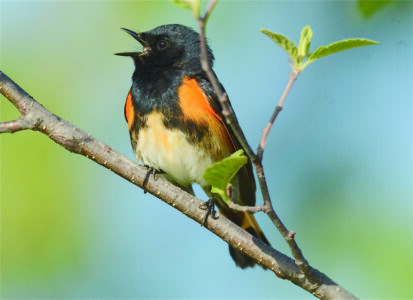
What’s Flying: A great time to be out

Outdoors North: A good day to get out into the woods
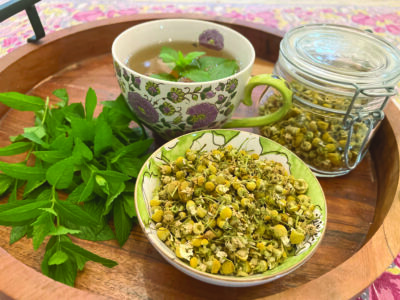
A soothing cup of herbal tea can begin in your garden
DNR weekly fishing report
Munising: Boat anglers trolling the bay and around Grand Island picked reported catching a few Chinook salmon and ...

Outdoors North: Back at the lake again
DNR weekly fishing report
Little Bay de Noc: Walleye anglers reported good fishing in and around river mouths. Shallow water during dawn, ...