
Looking back
Christmas, historically speaking
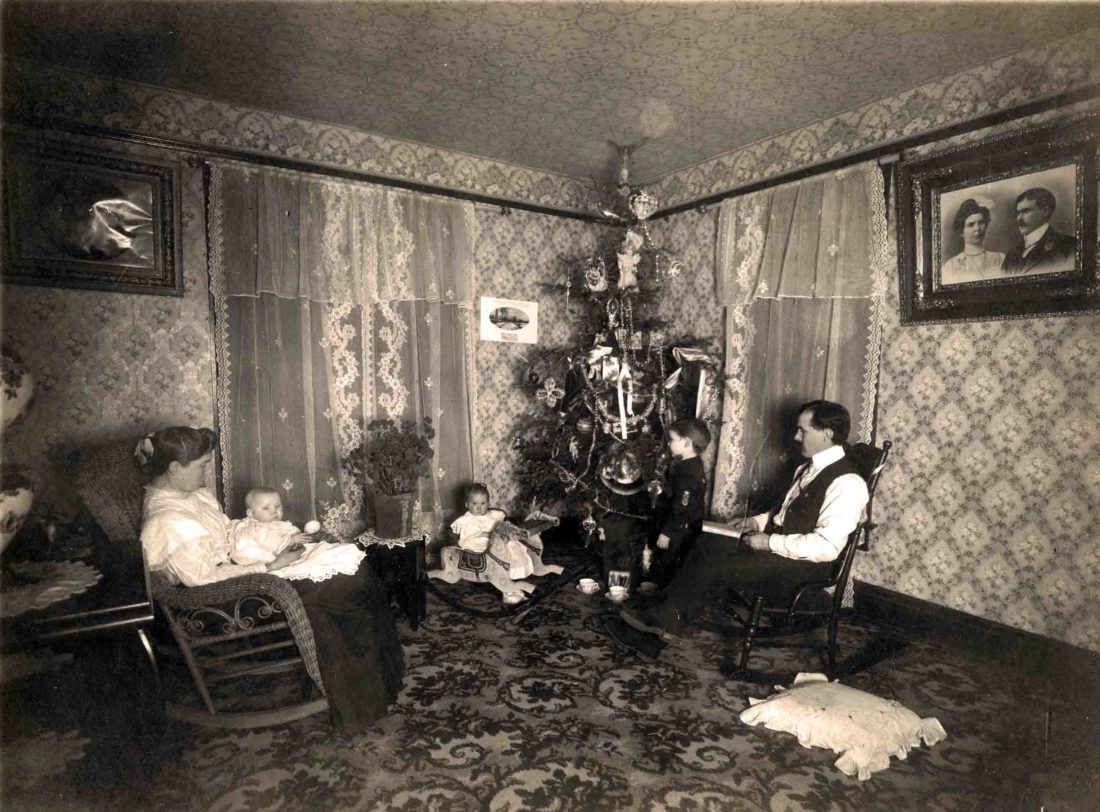
AChristmas tree, circa 1900s. (Photo courtesy of the Superior View Photography, 149 W. Washington St., Marquette)
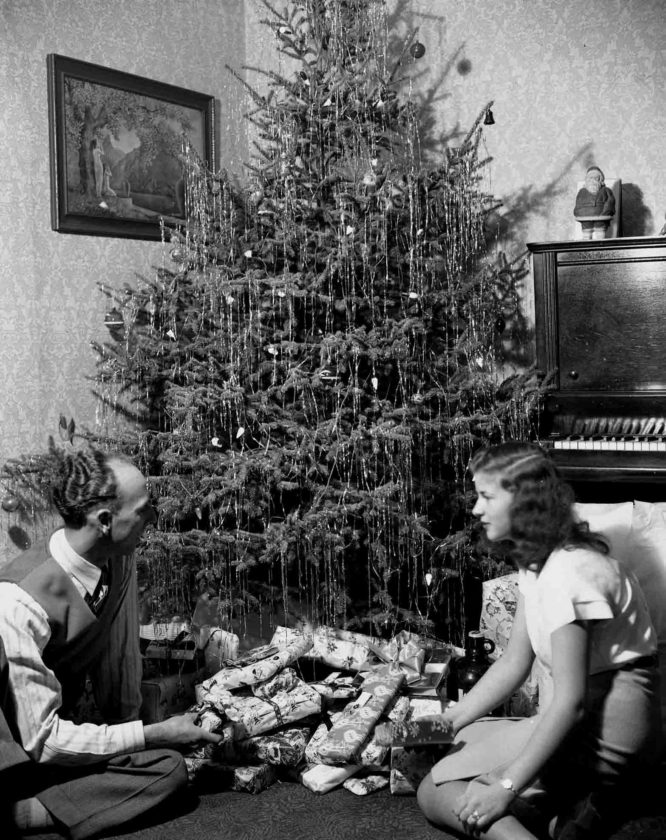
A family gathers around their Chirstmas tree, circa 1900s. (Photo courtesy of the Superior View Photography, 149 W. Washington St., Marquette)
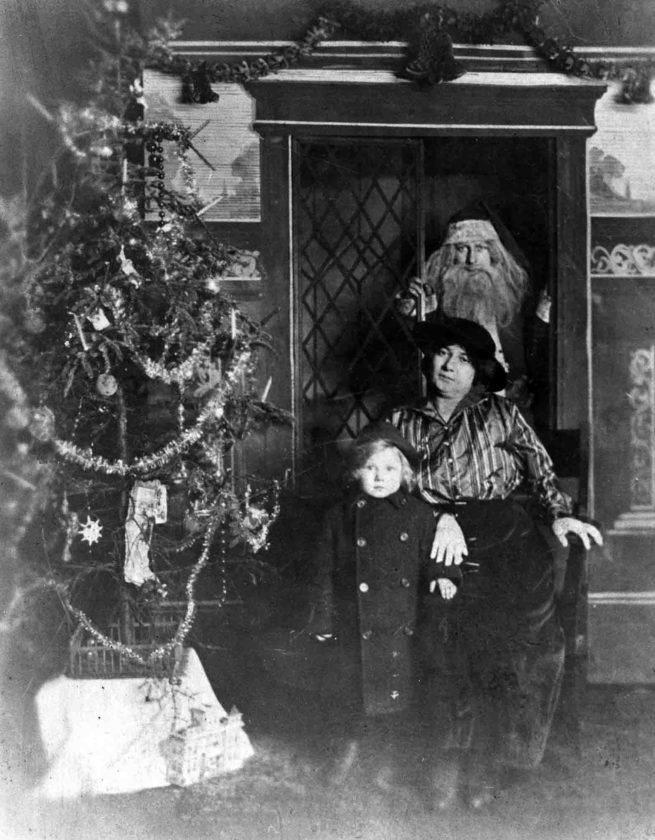
This family appears to have the Chirstmas spirit, circa 1900s. (Photo courtesy of the Superior View Photography, 149 W. Washington St., Marquette)
AChristmas tree, circa 1900s. (Photo courtesy of the Superior View Photography, 149 W. Washington St., Marquette)
A family gathers around their Chirstmas tree, circa 1900s. (Photo courtesy of the Superior View Photography, 149 W. Washington St., Marquette)
This family appears to have the Chirstmas spirit, circa 1900s. (Photo courtesy of the Superior View Photography, 149 W. Washington St., Marquette)
Trending
MARQUETTE -- While digging through historical documents dating back to the mid-1800s at the Marquette Regional History Center, the majority of stories about Christmas festivities found printed on worn newspaper clippings center around togetherness.
Or in some cases, a lack thereof.
In 1850, all people in the Marquette area wanted for Christmas was seasonal supplies -- but since they were transported mainly by steamboat, villagers faced the prospect of starvation that December after ships were forced to bypass the port city due to wicked gales and ice that was already forming on Lake Superior.
"The captain of the little steamer Napoleon, trying to get winter supplies to Ontonagon and the Copper Country, skipped Marquette until the last trip, and the villagers, cut off from the outside world except for mail by an occasional dog sled, and facing the prospect of starvation, spent many anxious weeks waiting," an article published by The Mining Journal in December 1955 states.
The boat arrived by late December, and a pioneer resident described the event as a "pandemonium that ensued," with everyone dashing down to the little dock at the foot of what is now Baraga Avenue to help unload it.
Older articles said children, who played outdoors all summer long without shoes on, were forced to stay inside and wait for the arrival of warm clothing so they wouldn't get sick.
In 1914, a big Christmas celebration was held in Marquette, largely due to the efforts of the recently organized Women's Welfare Club, later to be known as the Women's Club, a Marquette Monthly article published in 1990 states.
"A pageant with six tableau and much music was presented 11 times," the article reads.
Around 6,000 people attended the event that was held at city hall along Washington Street. The first municipal tree was set up outside the building and pupils from Baraga School sang at the lighting of the tree on Christmas Eve, according to the article.
Several years later, the Morris Mine -- which was operated by the Inland Steel Co. -- received national acclaim after The Associated Press picked up a story originally published by the Journal regarding an "underground" Christmas party.
As the story goes, in the winter of 1920, an evergreen tree fell near the opening of the shaft of the Rolling Mill Mine in Negaunee. While this is up for some debate, someone kicked the tree down the opening and it was tossed into a dark corner.
Initially as a joke, Mine Capt. Charles Miron conceived the idea of letting the miners have a Christmas party of their own underground. Miron took the tradition of the underground Christmas party with him from the Rolling Mill Mine where it originated, to the Archibald Mine and then Morris Mine in North Lake, according to historical documents.
It wasn't until 1938 when the underground Christmas story become well known, when news sources like the Chicago Tribune carried the story, devoting its back page to pictures of the festivities and placing the story on its front page.
The Tribune's story read: "Christmas joy lighted the black caverns of an iron mine today.
"The last cage down had carried the carolers. Three hundred feet from the surface, they started singing 'Silent Night, Holy Night.' As the first strains reached the cars of men, a hush fell, work stopped, clanging cars stood idle, heads were bowed. As the cage halted at the drift level, the song ended," the article said.
The story reached as far as Waco, Texas, according to a Journal article published in 1955.
Years later, a story which ran on the first page on Dec. 24, 1941, wasn't as cheery as miners celebrating Christmas.
Instead it was "full of war dispatches--most of them bad," according to a column called "Memories of American's first World War II Christmas" that was published by the Journal in December 1947.
Instead of glad tidings and sports coverage, the war overshadowed everything that usually makes the news around the holidays that year.
Looking back, the author wrote: "It was that day that the front page story of Winston Churchill came out of Washington, in which he was quoted as saying the war would last only half as long 'if we manage it properly.' Well, the United States was in it for five years, nine months and seven days. Long? Ask any veteran. Ask any mother or father whose son served. Ask the relative of a veteran who did not come back. They'll tell you how long it was."
In 1975, Dorothy Maywood Bird, an author who lived in the Upper Peninsula for several years as a child, said presents for "ordinary middle-class Americans" were often homemade.
That same year, Edith Hampton, 90, of Negaunee, said Christmas had changed a lot over the years.
"Christmas is a whole lot different nowadays than it used to be," Hampton was quoted in a Journal article. "Children enjoyed it so much more because they didn't get much during the year. Christmas was really special so it meant something."
Oranges were a real treat, she said, since that was about the only time of year families saw them, stating high costs and lack of refrigeration were the main reasons.
In December 2004, a Journal article depicted a Christmas spent aboard an ore boat, the Reserve.
"Ore boat Christmas aboard the Reserve was less festive this season," the article reads. "With a short-handed crew, deck hands have doubled up on duties, leaving little time for stringing up holiday lights."
However, the kitchen staff kept the "Christmas spirit alive," the article states, "down in the ship's galley with roast tom turkey, honey glazed ham and candied yams -- along with Dutch apple pie for dessert. It's enough to consider a career as a merchant marine."