
What’s flying: With May’s arrival, all things seem possible
“The world’s favorite season is the spring. All things seem possible in May.” – Edwin Way Teale
Ah, at last, May! Such joyful words. Thanks to plentiful rains, much of the area’s remaining snow was washed away, even though the rains were not warm ones.
May is just an amazing time for birding in the Upper Peninsula, as it wields a two-edged sword. First there is the excitement of all the returning migrants, warblers, thrushes, orioles, rose-breasted grosbeaks and wren — color and songs. Then there are the possibilities of a variety of unexpected vagrants, birds with turned around migration compasses and birds testing
It has been difficult to even imagine hummingbirds here in the U.P. this spring, but they are coming. There have been a number of reports in the southern Lower Peninsula over the past week and in Wisconsin they have almost made it to Green Bay. They usually arrive here during the first week of May, usually between May 4-9. When it gets close to the 60s today and tomorrow, they are sure to make it closer.
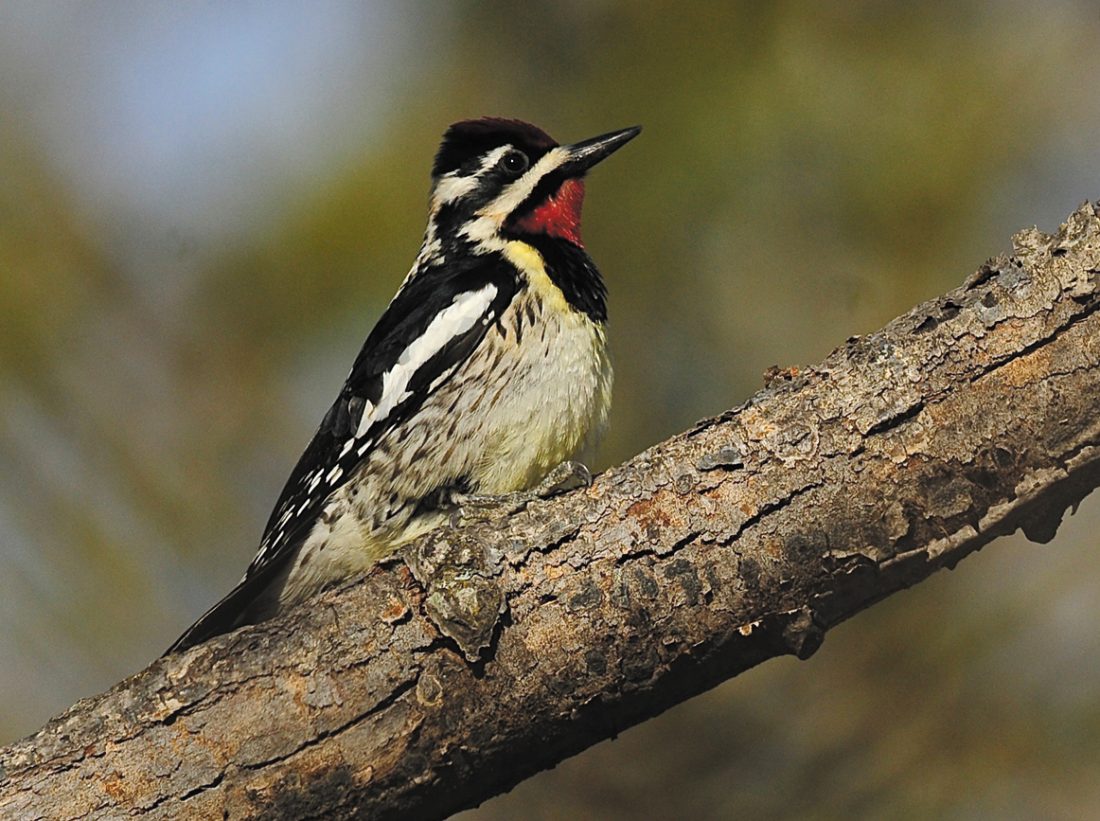
The question always is, what will they eat when they arrive. Many who put out hummingbird feeders each year report having hummingbirds looking in their window closest to where the feeders have been if they are not out yet. They remember where the food is. Tree flowers like maple and willow will provide some nectar and attending insects. They drink sap from sapsucker wells in tree bark, like those appearing currently from the newly arrived woodpeckers. Some may forget that birds need proteins to be a part of their diets too and they come from insects and spiders.
The Big Lake and some of the smaller bodies of water in the area have begun hosting some small flocks of ducks, some groups of mixed species. Buffleheads have been out in the Lower Harbor in Marquette, some small ponds, and both the Chocolay and Dead Rivers. Several days ago, one similarity did show up in birders reports. A quintet of buffleheads was seen in the Lower Harbor near the Coast Guard dock with a pair of ring-necked ducks. The next morning the same combination was reported on the Dead River above the Tourist Park. It is not possible to confirm the identity of the ducks, but the numbers do suggest the possibility the group moved together across town.
Pairs of hooded mergansers have been seen on smaller ponds and rivers with mallards and Canada geese. Several groups of green-winged teals have also been spotted on Lake Superior and the Dead River near the mouth this week. A number of single ducks have also been noted, including northern pintail, northern shoveler, blue-winged teal and American wigeon.
One clear sign the season is progressing has been a growing number of swallows flying around Marquette. Both tree and rough-winged swallows have been seen. So important as insect eaters, their summer presence is hugely enjoyed, but in the past few years their numbers have declined dramatically. Barn and cliff swallows will also be arriving soon. A fifth member of the family, purple martins are all but gone in the area, appearing at just a handful of U.P. sites, like Aronson Island in Escanaba in recent years.
A few notable birds have appeared in the Marquette area this week too. A snowy owl was seen west of Presque Isle on Tuesday, atop a building near the dunes. There were few reports of snowy owls in the central U.P. the entire winter, and late April using marks the end of northward migration out of the Lower 48 and back to the Arctic for most of them.
A great egret was seen briefly on the Chocolay River near the mouth on Tuesday as well, feeding in the bayou with a great blue heron. A large wading bird the same size as the heron, it is all white. They have yellow legs as well. For those excited by the sight of new birds to the area, the great egret is a true crowd pleaser, and seems to slowly be extending its range northward in summer. They have become regulars along the Lake Michigan shoreline in shallower spots north of Menominee in the summer months. The wetlands along the lake in Wisconsin have been a possible breeding site for them for a few years. They currently nest on islands in Green Bay near Door County.
With the extra time at home, a number of birders have become interested in bird songs and calls as a means of appreciating them more and identifying birds not easily seen. There are a number of apps that can be added to phones to compare sounds when out of doors. Audubon makes a great one, with a number of examples for each species. It does include all the birds for North America, so a little knowledge of bird families and groups is helpful to navigate the list.
There are a number of CDs of birds available too. Stokes has a “Field Guide to Bird Songs, Eastern Region,” helpful in becoming familiarized with local species. Those wondering about a bird they hear can also record it on a smartphone and compare it to sounds on websites like Cornell’s Lab of Ornithology sites for most species by searching the web by species name and “All About Birds.” Those on www.UPBirders.org listserve have been sharing recording to learn more too. It is daunting to begin learning all those songs, but it is May, and anything is possible.
EDITOR’S NOTE: Scot Stewart is a teacher at Bothwell Middle School in Marquette and a freelance photographer.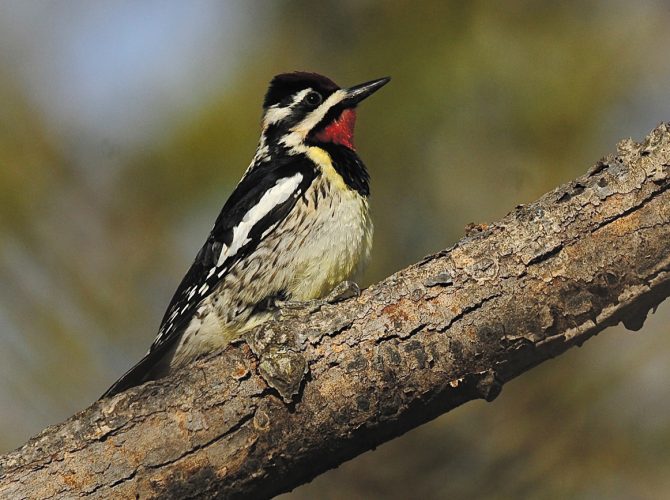
Community

Caving Grounds: Marquette Hardcore
Ishpeming VFW bingo Sunday
ISHPEMING -- There will be Bingo at the Ishpeming VFW on Sunday, June 8th. Doors open at noon. Snack and beverages ...
Emanuel Church fundraiser Saturday
SKANDIA — Emanuel Lutheran Church will be holding a fundraiser Saturday to raise money for a new stove and oven ...
Marquette Fringe to host Midwinter Ball
By DREYMA BERONJA Journal Staff Writer MARQUETTE — Marquette Fringe is inviting the public to an ...

Honoring decades of dedicated volunteer service
Downtown New Years Eve festivities go ‘very well’
By ALEXANDRIA BOURNONVILLE Journal Staff Writer MARQUETTE — A safe and happy New Year’s celebration in ...