
Plans to convert pool into splash pad moving forward
Trending
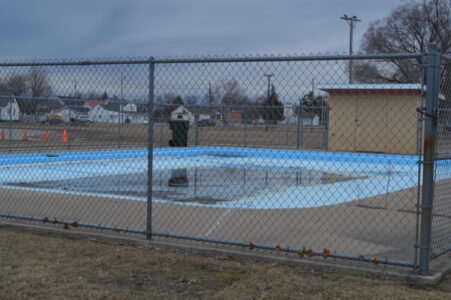
ESCANABA -- Despite a few hiccups, the planned conversion of the former Webster Wading Pool into a splash pad is still slated to take place this summer.
A splash pad is essentially a park with water features designed to get people wet but with little to no standing water.
The water features can include things like in-ground sprinklers or fountains and above-ground features like pipes or sculptures that pour water on anyone standing below.
Converting the wading pool into a splash pad has been a goal for Escanaba's recreation department for some time, with the original idea included in a past five-year recreation plan. That plan -- and the idea for the renovated park -- stemmed from public hearings and workshops that allowed average citizens to weigh in future recreation options in the city.
"I think adults would use it, too. Heck, I would use it," said Escanaba Recreation Director Kim Peterson. "I picture families going with their kids to run through the sprinklers, I really do."
While the concept of the splash pad meets the city's goal of creating a fun, family-oriented space for residents to cool off, the plan is also an important step towards saving money.
One concern is that the wading pool, which was built more than 40 years ago, was what Peterson describes as a "complete maintenance nightmare," largely due to the aging plumbing necessary to keep the pool filled and operational. The pool has been out of use for a few years now due to the maintenance headaches, but the city is required to keep the area as an active park by a grant issued by the Michigan Department of Natural Resources Trust Fund in September of 1983.
The grant provided the funds for a shelter house at the wading pool, but like many grants from the Trust Fund, came with the stipulation that the land the money was used to improve stay accessible to the public as a park. If the land were ever to stop being a public recreation area, the city would be required to pay back the Trust Fund's portion of the $80,000 shelter house, which would equate to $40,000.
Rather than lose the water-based recreation area and give $40,000 to the Trust Fund with nothing in return, the city began trying to develop the splash pad in earnest. However, a few snags hit the project, including the most recent plans for the site being rejected by the DNR during a required review by the department.
"They sent it back with some corrections. So, we are working with (engineering firm) C2AE to get those corrections. And then we're submitting those again to the DNR, and we're hoping to bid it in March," said Peterson.
According to Peterson, the corrections suggested by the DNR were relatively minor, and were largely related to signage and where things like the pavilion and picnic tables planned for the park would be located.
Assuming the revised plan is approved and the bidding process results in a contractor for the project being found quickly, Peterson believes the splash pad could be open to the public by mid- to late-summer.
The city believes that the first couple of years the splash pad is operational could have additional costs, but long-term, the splash pad could result in major cost savings for the city when compared to the wading pool. In addition to not having the same maintenance costs or requiring as much water to operate, the new facility won't require lifeguards or costly pool chemicals, which cost thousands of dollars every summer for the wading pool.
In total, constructing the splash pad is expected to cost about $225,000, but multiple organizations have stepped in to help foot the bill, including the Hannahville Indian Community, the Daniel J. Kobasic Foundation, the Community Foundation For Delta County, and the Youth Advisory Committee.
The Delta-Schoolcraft County Great Start Family Coalition is also constructing a small park within the park. The smaller park will have rubberized matting, a hexagonal play wall with activity centers for young children -- known as a "kiddie corral" -- and a bench for reading books.
While new plans are in the work for the splash pad itself, what it will look like exactly is still unknown. Peterson noted that different bidders would likely provide different types of water features.
One rain-style feature could look like a flower and another company's offerings could look like some other object or shape.
Still, Peterson expects to see some features that are common across splash pads like in-ground water features and arches made of pipe with holes in the bottom that create curtains of water for children -- and perhaps adults -- to run through.