Recent thaw allows water birds roam free again

Scot Stewart
By SCOT STEWART
Marquette birding enthusiast
-

- Scot Stewart
-
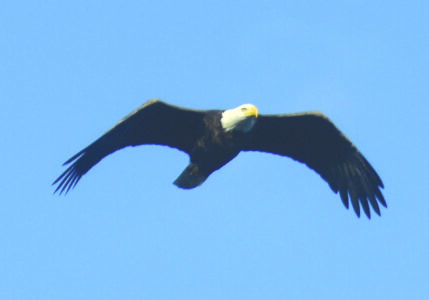
- This is a bald eagle like two that have been seen recently near Lake Superior at Presque Isle park in Marquette north of the overlook platform. (Photo courtesy Scot Stewart)
What a difference a day can make! The recent extremely cold Upper Peninsula temperatures put a good portion of the Lake Superior shoreline under ice, adding an extra challenge to the wildlife dialed into daily lives foraging, socializing and resting in the water or along the edges.
The current winter population of ducks, particularly mallards, had gotten particularly concentrated by the loss of open waters near Marquette and Munising. In Marquette, a slender stretch of one of the town’s unique waterways became a preferred hangout for most of the city’s waterfowl.
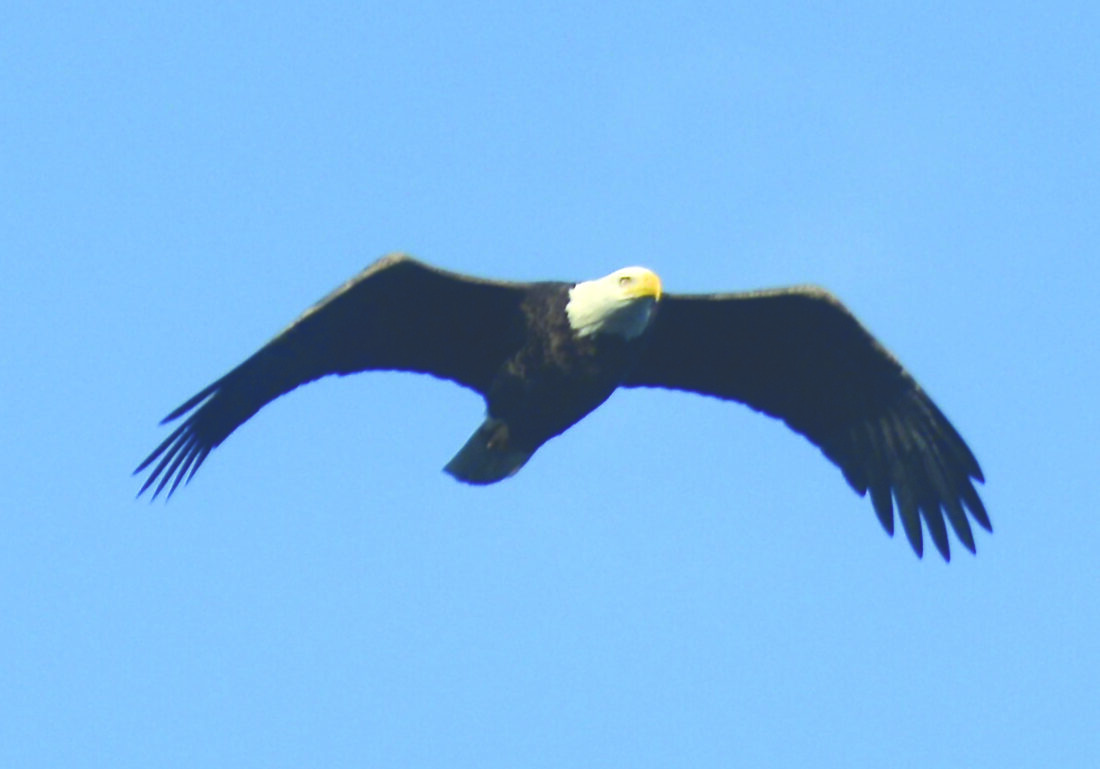
This is a bald eagle like two that have been seen recently near Lake Superior at Presque Isle park in Marquette north of the overlook platform. (Photo courtesy Scot Stewart)
Several small creeks and streams have been diverted underground as they pass through the middle of town and re-emerge as they get closer to Lake Superior. Because they travel underground, they are warmed enough to remain open as they pop back out.
One of these is an unnamed small creek that reappears between Presque Isle Avenue and the old city compost area on Lakeshore Boulevard. During this cold snap, the number of mallard ducks there during the daytime hours had continually increased, with American black ducks and a single overwintering green-winged teal joining them. On Tuesday, the number of mallards there reached over 700 with the handful of black ducks there with them, too.
Mallards frequently move into the city’s rivers, like the Dead and Chocolay rivers during colder weather. Only a few small stretches in the middle of the Dead River have been open recently, with a few mergansers and a single long-tailed duck using that stretch near the river mouth.
On Wednesday, a dramatic change occurred with nearly all the ice along the shoreline from the lighthouse to Presque Isle park pushed out into the lake, opening the water.
With this warmer stretch of weather, the ducks will again have an opportunity to move into areas where they will have a little more space to feed and rest.
It has been a dramatic change in the shoreline view as miles of ice covering the lake has moved.
In Munising, the mouth of Anna River has been an important spot for mallards. It does look like it will take a little longer for a larger stretch of open water to form there.
Ducks aren’t the only species to welcome the open water. On Wednesday, a juvenile bald eagle was seen joining an adult in one of the large white pines overlooking Lake Superior on Presque Isle north of the overlook platform.
In recent years, most of the resident bald eagles have elected to remain in the area due to the increasing amount of open water to hunt. With the ice cover, they, like the ducks, are limited in their foraging areas over open water and often turn to alternative food sources like landfills and roadkill. With the return of increasing areas of open water, the eagles will return to perches in large trees along the shoreline to rest and to watch for fish from nearby trees.
In Munising, the landfill continues to provide for bald eagles and raven alike.
Other species, dependent on handouts at bird feeders and other sources, have also fared well during the recent extreme weather. Wild turkeys have learned where the food has been set out for them and have flourished. On Tuesday, 11 turkeys were found on Presque Isle. At the same time, 18 more were seen just west of there on Island Beach Road for a total of 29 in the area. Thirty years ago, just a few wild turkeys could be found in the entire U.P., mostly in Delta County. With milder weather today across the U.P., hundreds can now be found.
Similarly, mourning doves have also adapted to the changing climate in the region. In the 1970s, the few seen here during the wintertime often were missing a toe or two from the frigid conditions. Today large flocks can be found in the area, with 18 showing up regularly at one feeding station on Marquette’s east side, all with entire sets of toes!
There were some good bird numbers in Chippewa County this past week, too. In the Pickford area, birders found a flock of 300 snow buntings on Wednesday. This was in an area just north of town. Nearby in Rudyard, 25 wild turkeys were seen in that are, with a smattering of pine grosbeaks seen there, too. Birding there has been good.
Back around Marquette, small groups of evening grosbeaks have been seen at a number of sites in western Marquette County. At one feeding station north of Deer Lake, 15 are currently being seen, a bit smaller number than has been seen in some past years.
With the warming temperatures come a few other sights of the upcoming spring season. Barred owls have been heard at several locations recently as they secure their spring territories and prepare to nest this season. Great horned owls have been less frequently heard lately as their nesting season is about to begin.
With the more serious winter conditions this year, some spring arrivals may come later this year. Ring-billed gulls are among the first of the spring arrivals returning and their time can come as early as late February. It might be a little later this year.
The current warm stretch is welcome. It is a sign of the coming changes, a day at a time.
Morning UP
Genetics may speed restoration of iconic American chestnut
Recent thaw allows water birds roam free again
Sauna an essential part of being Finnish

Redford character in ‘Downhill Racer’ still resonates with US ski racers

Now best time to plan on backyard garden