
To Your Good Health: Cognitive behavioral therapy is more effective than sleep aids
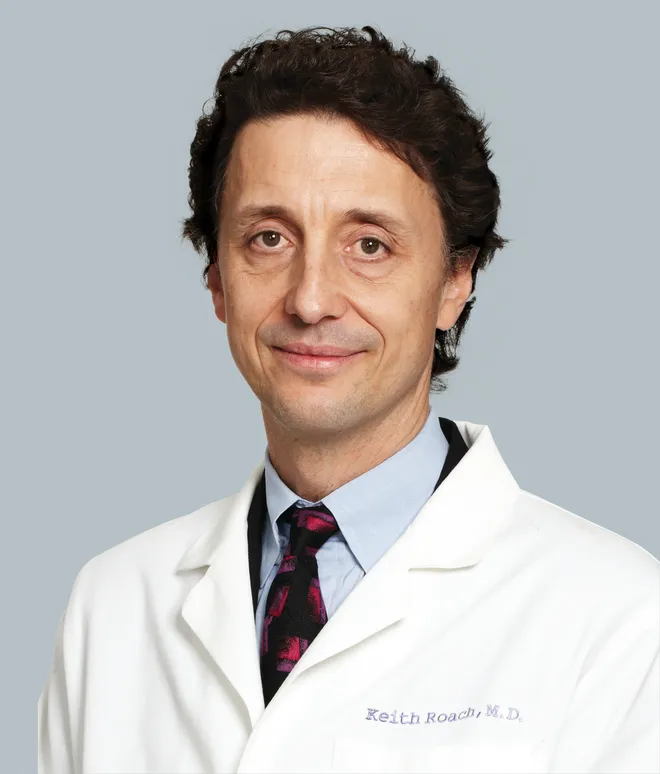
Dr. Keith Roach
DEAR DR. ROACH: I am an 82-year-old female who has a hard time staying asleep. I have been taking melatonin to help. I read recently that if you have taken melatonin for a long time, you could have a danger of heart problems. Should I stop?
I started taking 1/8 of a gummy with CBD instead. It helps me sleep but makes me feel dopey and dizzy. Do you have any sleep aid recommendations? — F.S.
ANSWER: An unpublished study that was presented at a recent American Heart Association meeting found that people taking melatonin had a 4.6% risk of heart failure, compared to a 2.7% risk among people who did not take melatonin. While it is possible that the melatonin predisposed people to develop heart failure, this was not found in previous safety studies on melatonin. The type of analysis that was done cannot prove that melatonin is causing the apparent increase in heart failure.
In my opinion, it is more likely that people who have heart failure do not sleep well and are more likely to take melatonin. Heart failure symptoms classically worsen when a person is laying down, which often makes people uncomfortable. It is also reasonable that people with existing but untreated sleep disorders (such as obstructive sleep apnea) are likely to take medication to help them sleep better.
My level of concern about melatonin being dangerous is low, but I absolutely agree on the fact that this deserves further study to evaluate the possibility of whether melatonin really is harmful.
I am concerned about the “dopey and dizzy” feeling you get with your cannabidiol (CBD) supplement. CBD is not psychoactive. Unlike smoked cannabis, it doesn’t make people “high.” This effect comes from a different component, tetrahydrocannabinol (THC). Many of the CBD supplements that are sold contain undeclared THC. I am a bit surprised that you are having these symptoms with such a tiny amount of one gummy.
My first-line treatment for sleep disorder is cognitive behavioral therapy for insomnia. Unfortunately, it is not widely available and can be expensive. I have recently downloaded (for free) the CBT-I app developed by the Department of Veterans Affairs called CBT-I Coach, just to test it. Some of my colleagues who work in the VA have found it effective. (But as one said, “You get out of it what you put in.”)
DEAR DR. ROACH: I recently came across a talk about brain health and the use of the bacopa plant and sidr honey. Do you know of any research verifying claims that these two products can prevent or reverse Alzheimer’s? — D.H.
ANSWER: These are both new to me, so I spent some time reviewing the evidence. Sidr honey is honey made by bees who exclusively feed on the Sidr tree (Ziziphus spina-christi, also called the jujube or lote tree, which is native to the Levant and East Africa). It gives the honey a unique flavor. Although many honeys have anti-inflammatory properties, there is no evidence that would support the extraordinary claim of this (or any) honey preventing or reversing Alzheimer’s.
The bacopa plant (Bacopa monnieri, also called Brahmi) has been used in traditional Indian and Chinese medicine for many years, but well-done studies weren’t able to show a consistent improvement in memory with the use of this herbal product. In 2019, the United States Food and Drug Administration warned against unproven medical claims with the use of this plant.
I understand the strong desire to find treatments for dementia, but it is extremely unlikely that these products, individually or together, will have any significant effect on the progression of Alzheimer’s or other dementias.
Dr. Roach regrets that he is unable to answer individual letters, but will incorporate them in the column whenever possible. Readers may email questions to ToYourGoodHealth@med.cornell.edu.