
Life in early logging camps
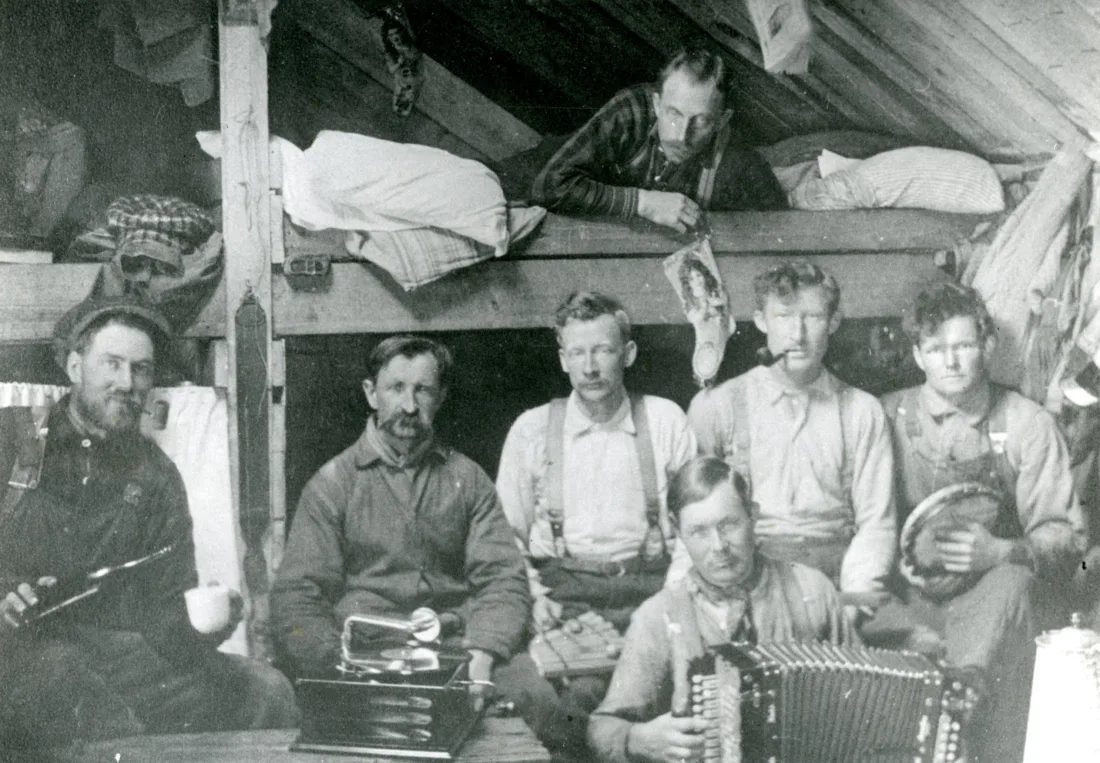
Pictured is the Coalwood lumber camp in Alger County. (Photo courtesy of the Marquette Regional History Center)
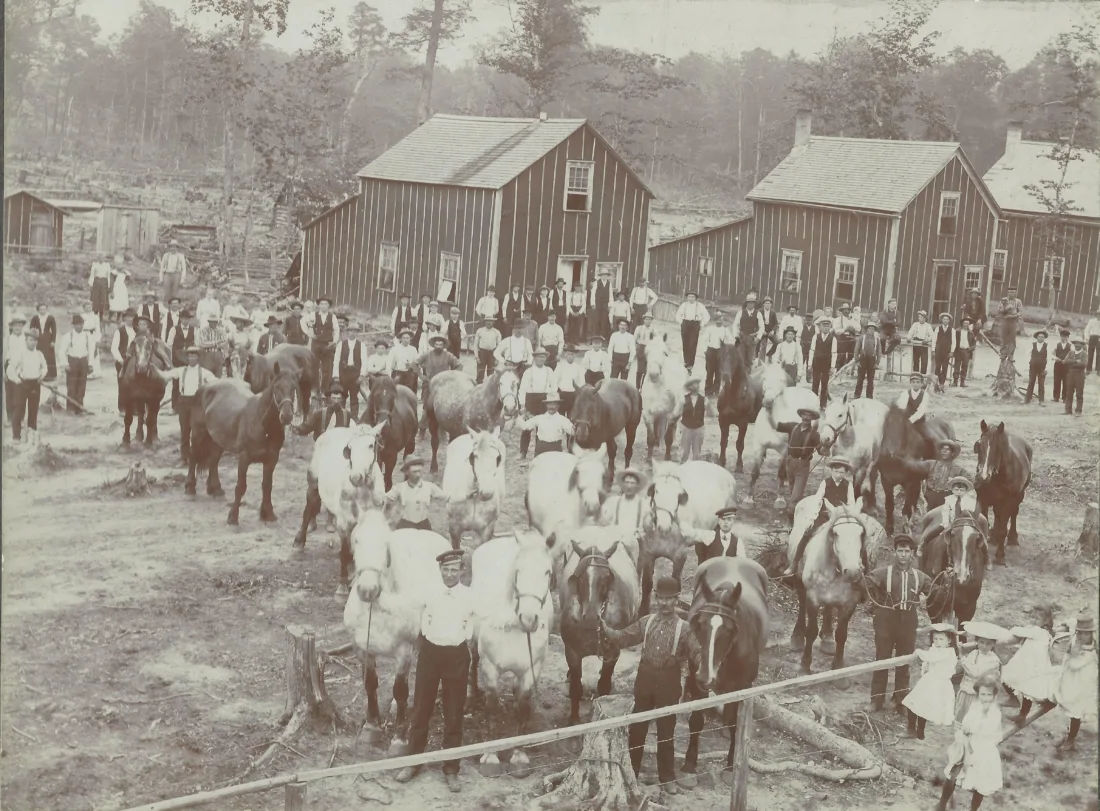
Pictured is the Coalwood lumber camp in Alger County. (Photo courtesy of the Marquette Regional History Center)
Pictured is the Coalwood lumber camp in Alger County. (Photo courtesy of the Marquette Regional History Center)
Pictured is the Coalwood lumber camp in Alger County. (Photo courtesy of the Marquette Regional History Center)
Trending
The arrival of the Marquette Iron Mining Company on a wilderness shore in the summer of 1849 led to the founding of Worcester (Marquette). The community needed lumber to build a foundry and homes for the workers. With plenty of trees in the area, Amos Harlow set up a sawmill to supply the materials.
As the area developed commercial lumber companies came to log vast forests located further inland from Marquette. Roads were built in the village and to the mines, but it was sometime before they extended beyond this core area. In order to log isolated regions, companies-built logging camps where lumberjacks lived from late fall to spring.
Life in 19th century Upper Peninsula logging camps was arduous. Living through weather-beaten winters, the work was demanding and dangerous, and the living conditions primitive. Companies sent a contingent of workers to set up camps in the fall. Strong, experienced men were sought for the efficient operation and safety of the worksite. The desolate camp life from fall to spring made this difficult. Many jobs went to newly arrived immigrants and men down on their luck, not knowing what awaited them.
Arriving in late fall, work began with construction of buildings. These structures were generally of poor quality unless a company planned to log an area for more than one season. To meet the needs of the community, camps typically had a kitchen and cook shack, bunkhouse, blacksmith shop, horse barn, store house, grain barn, and latrine. A small store area might exist to sell items, such as tobacco. The number of buildings needed to house these areas depended on the size of the camp. In a smaller camp, areas might be combined, such as the dining hall and bunkroom.
These self-sufficient camps bustled with activity and days began early. Upon waking, men dressed for the weather and moved to the tightly run dining hall. Time was of the essence. Quick in, quick out seemed to be the motto. There was no talking during meals and seats might be assigned. The cook oversaw meals, ensuring everything ran smoothly so men were at the worksite when the sun rose. Those individuals who did not adhere to the rules were dealt with by the cook, with force if necessary.
Hearty, high calorie meals were served, reportedly up to 8,000 calories a day. Breakfast typically included meat, beans, flapjacks, fried potatoes, bread, and pies, all served alongside coffee and tea. To meet daily lumber quotas men were fed their mid-day meal in the field. The evening meal offered much of the same fare as breakfast.
Oxen and horses were used to pull sleighs to transport fresh cut logs. Logs were unloaded and stacked near the river until the spring when they were floated down stream. To move the sleighs, ice was formed on rough roads. This was dangerous for the animals and men driving as a sleigh could overtake the animals. To lessen this occurrence, sand was placed in front sleighs to reduce skidding. It was speculated by some that the animals received better treatment than the men. Housed in a barn, barn boys would feed and harness them, and a blacksmith-maintained hoof health.
Bunkhouses ran efficiently. Alcohol was prohibited, as were fights. Early bunks had uncomfortable straw mattresses and lice ran rampant. Evenings were spent playing cards and telling stories. Someone might play a fiddle, and songs depicting the life of the lumberjack were sung. A ballad entitled Shanty-man's Life, describes the men's life at camp. It began, "Oh, a shantyman's life is a wearisome life, altho' some think it void of care... Swinging an axe from morning till night in the midst of the forests so drear."
As the 20th century approached, road construction equipment became available allowing companies to transport logs to public roads or trains which allowed year-round harvests. For the lumberjack, these roads meant they might escape camp for a well needed break or eventually have the opportunity to commute from home.
To learn more about life in UP lumber camps, join the MRHC and Michigan Tech's Dr. LouAnn Wurst for Class, Labor and Workers’ Experience in CCI’s Cordwood Lumber Camps on Saturday, Oct. 17, at 1 p.m., during our 14th annual Archaeology Fair. Hear from Dr. Wurst about her research on the Coalwood cord-wood chopper sites located in the Hiawatha National Forest. Research from CCI's payroll records adds new insights into the data recovered from archaeological excavations at four camps dating from 1900-1920, telling the story of the cordwood choppers and their families' everyday life in the northern forest.
This presentation is part of the MRHC's 14th annual Archaeology Fair from 11 a.m. to 3 p.m. on Saturday, Oct. 17. Join the celebration of archaeology and the thrill of discovery. Activities and hands-on learning for all ages will be set up throughout the building and outdoors. Multiple booths feature various displays. Fair is included with general admission and membership at the sponsor level on up. For more info visit marquettehistory.org or call 906-226-3571.