
Local divers, KBIC team up to remove discarded tires from Huron Islands
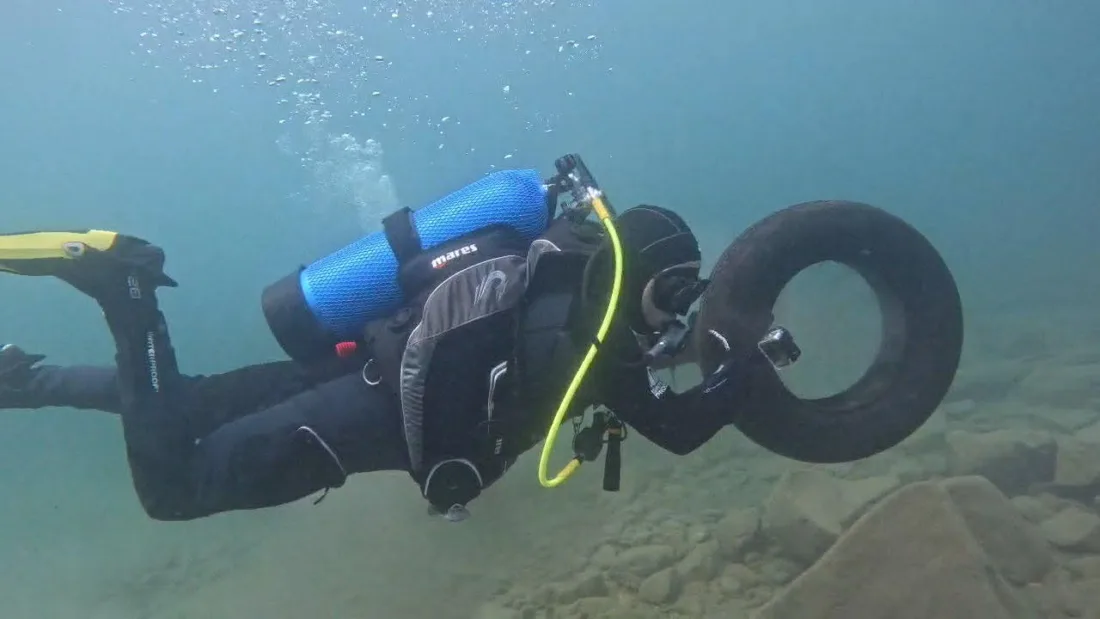
Local SCUBA divers work with Keweenaw Bay Indian Community officials to remove discarded tires from waters surrounding the Huron Islands. (Courtesy photos)
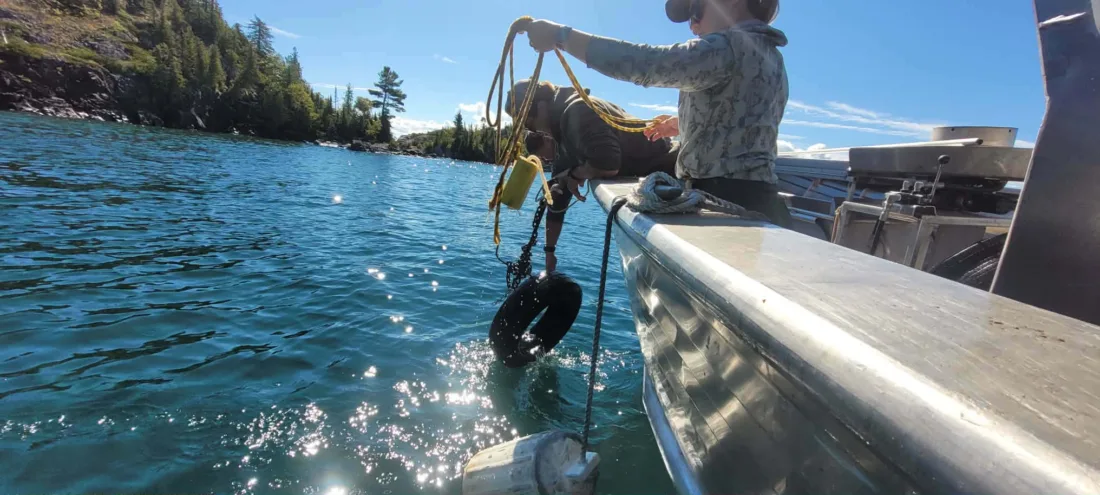
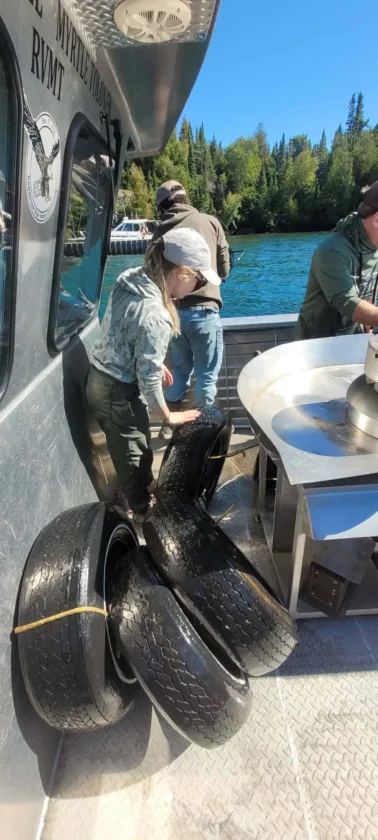
Local SCUBA divers work with Keweenaw Bay Indian Community officials to remove discarded tires from waters surrounding the Huron Islands. (Courtesy photos)
Trending
HURON ISLANDS -- A partnership between local volunteer divers and the Keweenaw Bay Indian Community Fisheries Department is helping clear discarded tires and other debris from the waters surrounding the .
The Huron Islands are part of the Huron National Wildlife Refuge, which is managed by Seney National Wildlife Refuge. The entire refuge is designated as a federal Wilderness Area, providing additional protection for the islands and surrounding waters. The islands are also part of the Marquette Underwater Preserve, making them a destination for divers exploring Lake Superior.
Members of Great Lakes Scuba Divers and Lake Preservation, a local, all-volunteer nonprofit organization dedicated to cleaning up and preserving the Great Lakes and their surrounding watersheds, have been working to locate and remove debris from Lake Superior as part of the organization's ongoing efforts to protect the Great Lakes.
During several dives around the Huron Islands, divers Derek Dougovito, Tim Hoornstra, Ryan Engle and Don Fassbender located discarded tires and staged them for removal.
The tires were concentrated and secured in clusters, allowing the Keweenaw Bay Indian Community Fisheries Department to assist with their recovery and transportation from the islands.
On Sept. 16, KBIC Fisheries staff traveled to the Huron Islands aboard the community's research vessel, the Myrtle Tolonen, after completing survey work near Pequaming Point in Keweenaw Bay. The crew recovered tires that divers had gathered and "strung" together in clusters using rope and small floats.
Gene Mensch, fisheries and wildlife biologist and adjunct instructor with the Keweenaw Bay Indian Community, led the KBIC Fisheries team during the recovery operation. The RVMT crew included Patrick LaPointe, field fisheries coordinator; Shawn Seppanen, aquatic invasive species program lead; Presley Rasanen, AIS education and outreach specialist; and Mariah Kage and Victoria Ripley, fisheries program technical support staff.
KBIC will also handle disposal of the recovered tires. Additional discarded tires remain in the area, creating opportunities for future cleanup efforts.
The partnership was facilitated with help from Sara Siekierski, refuge manager at Seney National Wildlife Refuge, who helped connect the two organizations.
"Wonderful news! It's uplifting to see people and organizations come together to help take care of such a special place," Siekierski said. "Thank you for sharing and for the time and effort for all those involved!"