
Talk with the Doc
Outside temperatures vs. wind chill temperatures

Dr. James Surrell, Journal columnist
The following is a review of how and why we often refer to outside winter temperatures as wind chill temperatures. This information is provided by the National Weather Service.
Wind chill is a term used to describe what the air temperature feels like to the human skin due to the combination of cold temperatures and winds blowing on exposed skin. In simple terms, the colder the air temperature and the higher the wind speeds, the colder it will feel on your skin if you’re outside. So even if it remains the same temperature, and the wind speed increases, it will actually feel colder to your skin.
So why does it feel colder if the wind speed increases but the temperature remains the same? The reason is because as wind blows across our bodies it takes the heat we naturally emit and blows it away from our bodies. The faster the wind speed the faster our body heat is taken away and the colder it feels. It is a similar process for when you blow on a hot bowl of soup to cool it down. The temperature that it feels like outside due to the air temperature and wind speed is called the “wind chill.”
Below are some examples that show the wind chill temperature for various air temperatures that are impacted by wind speeds. The low winter temperatures, when affected by wind speed can certainly cause frostbite on humans. Of course, the risk of frostbite will be increased based on the length of time a person is exposed to these very cold temperatures and whether or not they have properly dressed to be outside in these very cold temperatures. For example, a temperature of 0°F and a wind speed of 15 mph will produce a wind chill temperature of -19°F. Under these conditions, any exposed skin can develop frostbite in just 30 minutes. If the outside temperature is 0°F and the wind speed is 30 mph, the wind chill temperature will be -26°F.
The bottom line is that if we are going to be outside in these cold winter temperatures, be sure to dress properly and closely watch for any signs of frostbite. Be aware that the very first stage of frostbite is called “frostnip”. With frost nip, a person’s skin will turn red and it will feel very cold. At this point, it is very important to get out of the cold as soon as possible, because continued exposure will likely advance the frost nip to full blown frostbite. With frost nip, one also feels numbness in the affected area of the skin. The treatment for frost nip is to promptly get out of the cold and to promptly warm the affected skin area.
Local
Baraga County chamber announces scholarship opportunities
BARAGA — The Baraga County Chamber of Commerce is now accepting applications for its annual $750 one‑time ...
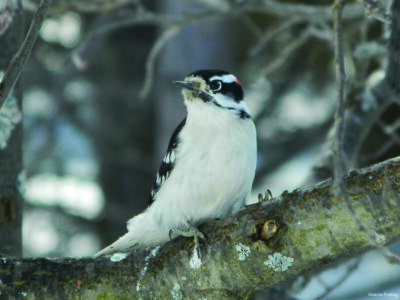
Woodpecker vs. winter
Superiorland Yesterdays
30 years ago ISHPEMING – The Marquette County Road Commission will scale back the number of employees working ...
$25,000 to CLK Schools Childcare for second consecutive year
LAURIUM — For the second year in a row, the Keweenaw Health Foundation has stepped up to support local families ...

Talk with the Doc
History honors to be awarded
MARQUETTE — The Marquette Regional History Center is pleased to announce the annual history award recipients for ...