
Urology pearls
Coffee with a capital 'C'
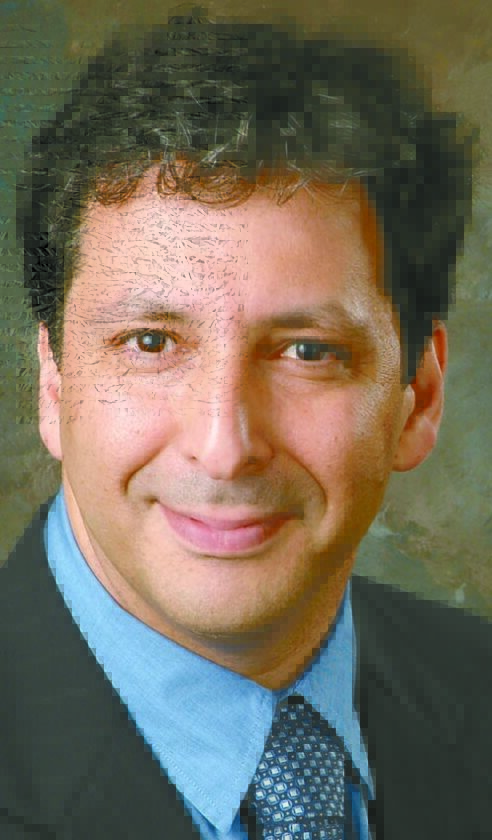
Dr. Shahar Madjar, Journal columnist
Two weeks ago, I told you about Matti, who came to see me for symptoms of overactive bladder. His symptoms worsened most when he was fishing on Teal Lake. “Just me and my wife,” he said. “Sitting in the boat. Waiting for a fish to bite. Drinking coffee.”
Coffee must be the culprit, I thought, or at least part of it. Caffeine is a known bladder irritant and studies show that reducing caffeine intake can improve urgency, frequency, and nighttime urination. Advising Matti to cut back would have been easy. But medicine is rarely practiced in isolation from culture, habit or pleasure.
Two considerations complicated my advice.
First, coffee is inseparable from Matti’s Finnish heritage. Finland consistently ranks as the highest consumer of coffee per capita in the world. The average Finnish adult drinks about 12 kilograms of coffee per year, often spread across many cups each day. For Matti, giving up coffee wasn’t an insignificant lifestyle tweak. It was a major change.
Second, I had to consider the broader clinical picture. While caffeine can irritate the bladder, a growing body of research suggests that coffee itself may be protective for other parts of the body.
A comprehensive 2025 review published in the journal Nutrient summarizes what scientists currently know. Across large populations from different countries, people who drink coffee regularly tend to live longer than those who do not. The strongest associations are seen with moderate intake, roughly three to five cups per day. These findings remain consistent even after accounting for age, smoking, and lifestyle, and they appear in both men and women across multiple regions.
The review also links habitual coffee consumption with lower risks of several major chronic diseases. Coffee drinkers show reduced rates of cardiovascular disease, including heart disease and stroke. Regular intake is associated with a lower likelihood of developing type 2 diabetes and some respiratory conditions.
Cancer has long hovered over coffee like a dark cloud, but the review finds no convincing evidence that coffee increases cancer risk. In fact, coffee consumption is associated with lower rates of certain cancers, particularly liver and uterine cancer.
One of the most striking observations is that decaffeinated coffee often shows similar health associations to caffeinated coffee. This suggests that caffeine alone does not explain coffee’s effects. Coffee contains hundreds of biologically active compounds that may contribute to its benefits, a point especially relevant for people who are sensitive to caffeine or advised to limit it.
The authors outline several plausible biological mechanisms. Coffee consumption has been linked to improved glucose metabolism, reduced inflammation, better lung function, and enhanced fat oxidation. Coffee may also support physical activity and alertness, indirectly contributing to overall health.
Beyond disease prevention, coffee appears to influence daily well-being. The review describes associations with mental alertness, hydration, physical performance, and even bowel recovery after surgery.
Not all coffee is equal. The review emphasizes that adding sugar, cream, or high-calorie flavorings may blunt or erase these benefits. Most positive associations are seen with plain coffee rather than sweetened specialty drinks.
Coffee is generally safe for most adults, though the authors note important caveats. High caffeine intake can cause sleep disturbance or anxiety in susceptible individuals. Pregnant women are advised to limit caffeine to no more than two hundred milligrams per day. Notably, the review finds no strong evidence linking coffee to increased risks of heart rhythm problems, high blood pressure, or overall cancer risk.
Much of the evidence summarized is observational, showing association rather than proof of causation. The authors call for more randomized and genetic studies to clarify mechanisms and explore how different brewing methods may matter.
So what did I tell Matti, the fisherman with overactive bladder symptoms? I did not tell him to abandon his coffee. Instead, I advised moderation. We discussed smaller cups, fewer refills on long fishing days, and switching some coffee to decaf. I encouraged him to watch his symptoms rather than follow rigid rules.
Medicine works best when it relieves symptoms without unnecessarily stripping away the rituals that give life meaning. Sometimes the right answer is not to quit, but to adjust, pay attention, and keep what still brings joy.
EDITOR’S NOTE: Shahar Madjar, MD, MBA, is a urologist and an author. He practices in Michigan, at Schoolcraft Memorial Hospital in Manistique and in Baraga County Memorial Hospital in L’Anse. Find his books on Amazon or contact him at smadjar@yahoo.com.
Local
Superiorland Yesterdays
30 years ago MARQUETTE – There may still be snow on the ground, but the Red Cross is heating up for Red Cross ...
Festival apps now available
MARQUETTE — Vendor applications for Marquette's annual Blueberry Festival are now open. If you have a product or ...

Red-breasted nuthatch looks for dinner in Ely Township
Negaunee elementary school honor roll announced
NEGAUNEE — The Negaunee Public Schools has announced the honor roll for its elementary school for the second ...
Restaurant Week coming up
Downtown Marquette Restaurant Week is your invitation to explore the incredible flavors and one of a kind dining ...
Marquette parking ban to end April 1
MARQUETTE — The Marquette Downtown Development Authority reminds all residents and visitors that the citywide ...