
Karl’s Korner: Karls 5-day forecast

Karl Bohnak
Here it is late winter and we had a rain event! Rain in February is not unprecedented, but it is very unusual. Most often, snow cover is at peak or approaching peak at this time in February. Now there is a crusty, icy 21 inches on the ground at the National Weather Service (NWS) with a little fresh dusting on top.
Maximum snow cover varies widely from winter to winter. Since the winter of 1961-62, when consistent weather observations began at the NWS site, the average maximum snow cover is 37 inches. However, looking at the entire 61 year record, it is obvious that there use to be more snow on the ground “in the good old days.” During the first 18 winters (1962-1979), the average maximum snow cover was 43 inches, while over the last 18 winters (2005-2022), it’s down to 36 inches.
This lower snow total does not mean it snows less. The snow cover isn’t as deep, because it’s warmer. Since 2005, the number of cold days per year (days with a high temperature of 32 degrees or lower) is 100. Between 1962 and 1979, there were, on average, 108 days per year with high temperatures of 32 or lower. Therefore, there was less melting and settling of the snow in days past.
There should be more melting and settling this weekend as low pressure tracking through Canada will keep us on the mild side. Next week, low pressure should track near or south of the U.P. That means a chance of some snow along with temperatures a bit closer to average for late February.
Local
Superiorland Yesterdays
30 years ago MARQUETTE – Local artist Jill Kline will be signing her two new limited edition prints at The ...
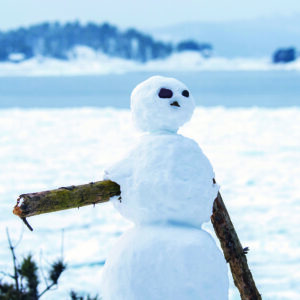
To snow or not to snow
Oscar G. Johnson VAMC hosts veteran enrollment events April 15-16
IRON MOUNTAIN – Members of the Oscar G. Johnson VA Medical Center outreach and enrollment team will travel to ...
Great Lakes Sound and Vibration marks expansion in Houghton County
MARQUETTE — Great Lakes Sound and Vibration has completed the expansion at its Calumet facility, adding 26,000 ...
Company to keep U.P. locations open
MARQUETTE — Wisconsin-based Tweet Garot Mechanical has acquired Prime Specialty Contracting, expanding its ...
Gogebic Community College selected as one of Aspen Institute’s Top 200 U.S. community colleges
IRONWOOD — Gogebic Community College has been named one of the top 200 community colleges in the nation by the ...