
Michigan DNR offers $332,000 in grants for dam removal, repair and replacement projects
Project preproposals due Dec. 18; funding aims to improve fish habitat and public safety
Trending
MARQUETTE -- The Michigan Department of Natural Resources is making $332,000 available to help communities and natural resource organizations address aging dams across the state, with applications due Dec. 18.
The funding, offered through the DNR’s Fisheries Habitat Grant program, will support projects focused exclusively on dam removal, replacement and repair during this grant cycle. Local, state, federal and tribal governments, as well as nonprofit organizations, are eligible to apply through an open, competitive process.
Joe Nohner, a DNR fisheries resource specialist, said more than 2,000 aging dams across Michigan need attention.
"Many of these dams no longer function for their original purpose, but they continue to degrade fish habitat and pose a threat to human safety," Nohner said. "These grants help our partners address aging dams to restore fish habitat and increase safety for residents and visitors."
Grant requests must be at least $25,000, with awards potentially reaching the entire $332,000 available. Smaller projects addressing similar issues within the same region may be combined into a single proposal to meet the minimum funding requirement.
Applicants may seek funding through the current grant cycle or request a conditional commitment from a future year’s funding. Those commitments can help project partners leverage DNR support when pursuing additional funding sources or establish a future grant commitment subject to specified conditions.
Unlike previous grant cycles, no funding will be awarded for general aquatic habitat projects this year. All available money comes from $332,000 designated for dam management in the state’s general fund.
The grant opportunity comes as communities and natural resource managers throughout the Lake Superior watershed pursue a broader effort to restore aquatic ecosystems, improve fish passage and protect important fisheries habitat.
Several initiatives in the watershed are aimed at removing barriers that prevent fish and other aquatic organisms from moving freely through rivers and streams.
At Shelldrake Dam, which has been in place since the 1960s, a proposed fish passage project will examine alternatives for allowing fish to move past the structure while maintaining its role as a sea lamprey barrier. The dam currently blocks passage for all fish species. Improved connectivity could benefit steelhead, sucker species and other migratory fish.
On Eliza Creek, a non-functioning, drawn-down dam and two or three perched culverts have disrupted the natural movement of fish and sediment. A proposed restoration project would address those barriers and improve the creek’s connection to the Great Lakes. Brook trout, king salmon, coho salmon and steelhead are among the species expected to benefit.
Another proposed effort involves Calderwood Dam on Trout Creek. The impoundment was originally built to support a trout fishery, but it no longer provides the fishery it was intended to sustain. Instead, the dam restricts aquatic movement and releases shallow, warm water into a cold-water trout stream during summer months.
Removing the dam would help restore natural stream processes, improve sediment movement and create more favorable water temperatures for brook trout.
Other watershed projects focus on restoring habitat lost through infrastructure failures, shoreline development and erosion.
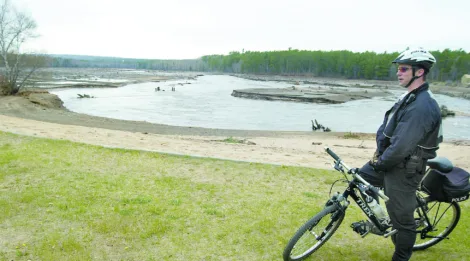
At the Dead River Storage Basin in Marquette County, a dam failure approximately 20 years ago resulted in the loss of woody habitat. A proposed habitat installation project would add large woody structures to shallow nearshore areas, providing shelter for walleye, yellow perch, smallmouth bass, northern pike and other fish.
Shoreline restoration is also planned for Big Trout Lake and Torch Lake. At Big Trout Lake, development along the shoreline has reduced the amount of natural woody habitat available to fish. The proposed project would install felled trees, known as Fish Sticks, and brush shelters to provide additional cover.
At Torch Lake, where historical mining operations and decades of shoreline development have degraded habitat, proposed improvements would add woody structures along suitable shoreline areas. The installations could benefit walleye, yellow perch, smallmouth bass and other native fish while encouraging aquatic plant growth and helping reduce shoreline erosion.
Stream restoration projects are also being pursued to address sediment pollution and damaged fish habitat.
Along the Two Hearted River, runoff from the sloping western approach to the Reed and Green Road crossing has allowed sand to wash directly into the river. Proposed improvements include erosion management, sediment diversion and potentially paving the affected road approach. The work is intended to protect habitat for steelhead, Chinook and coho salmon, brook trout and other native fish.
On the Upper Tahquamenon River, a road-stream crossing embankment failure approximately 17 years ago left sediment covering important brook trout spawning and holding habitat between Long Lake and the County Road 422 crossing.
A proposed restoration project would reduce trapped sediment and rebuild habitat through the installation of coarse woody structures, riffles and pools, creating more diverse stream conditions.
Another Two Hearted River project would address bank erosion at a popular public access location. Restoration work would use a technique called toe-wood, which places wood along the base of an eroding bank to stabilize the shoreline while creating additional fish habitat.
The projects also recognize the importance of monitoring changing environmental conditions.
A real-time stream monitoring initiative covering the Eastern Upper Peninsula and Northern Lower Peninsula would collect ongoing information about water temperatures and other water-quality measurements. The data would help resource managers and the public track environmental trends and identify potential changes in stream health.
Monitoring is particularly important for cold-water fish, including brook trout, brown trout, rainbow trout, king salmon, coho salmon and steelhead. Changes in water temperature and other conditions can influence fish populations and recreational fishing opportunities in some of the region’s most popular rivers.
Together, the watershed initiatives address a range of environmental concerns, from blocked fish passage and lost shoreline habitat to sediment pollution, erosion and changing water conditions.
Improving connections between waterways, restoring natural stream functions and protecting water quality are important steps toward sustaining native fish populations and recreational fisheries throughout the Lake Superior watershed.
For Michigan communities and organizations interested in addressing aging dams, the DNR’s Fisheries Habitat Grants offer an opportunity to secure financial assistance for projects that can improve both aquatic habitat and public safety.