
As Michigan flu vaccinations drop, health risks increase

Bagdasarian
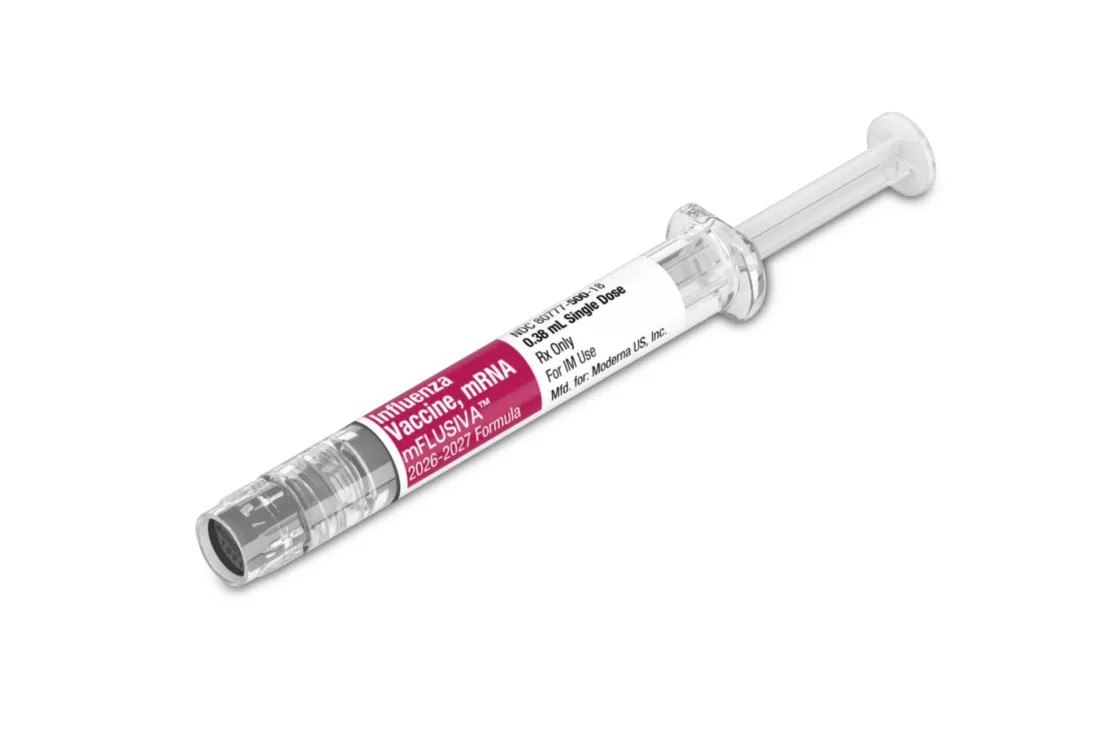
This image provided by Moderna in September shows the mFLUSIVA mRNA flu vaccine. (Moderna via AP)
Bagdasarian
This image provided by Moderna in September shows the mFLUSIVA mRNA flu vaccine. (Moderna via AP)
Trending
LANSING - Flu season is returning to Michigan as declining vaccination rates have become an important public health concern.
Annual vaccinations help protect individuals from serious illness and reduce the risk of complications that can lead to hospitalization and death, medical experts say.
However, fewer Michigan residents have been receiving flu vaccines in recent years, creating challenges for families, health care providers, schools and communities across the state.
According to data compiled by the federal Centers for Disease Control and Prevention, approximately 42% of Michigan residents ages 6 months and older received a flu vaccine during the 2024-25 flu season.
Those figures indicate that fewer than half of eligible residents were vaccinated, leaving many people vulnerable to influenza and its possible complications.
"When you give up a vaccine, the risks are really quite huge," said Natasha Bagdasarian, the chief medical executive at the Department of Health and Human Services.
Michigan has experienced persistent challenges in maintaining high flu vaccination rates, particularly among children and young adults.
The department has emphasized the importance of increasing vaccination coverage to reduce the spread of respiratory illness and prevent severe outcomes, said the department.
This problem is not limited to Michigan, however.
CDC national data shows that vaccination in children and young adults fell from 55.5% in 2023-24 to 50.2% in 2024-25. Similarly, adult vaccination rates fell from 44.9% to 41.9% in the same time frame.
Those national trends provide important context for Michigan's vaccination challenges, Bagdasarian said.
"These numbers have been declining year by year since the start of the COVID-19 pandemic, but it has become especially pronounced in children and younger age groups," said Bagdasarian.
The decline is especially concerning for children, young adults, pregnant women and those who have chronic health conditions and face a greater risk of serious complications from influenza.
During the 2025-26 flu season, the department recorded 12 cases of flu-related pediatric deaths. In addition, 203 pediatric hospitalizations related to the flu were recorded.
Several factors may contribute to the decline in vaccination rates, health experts say.
The department first recorded a decrease in vaccinations at the start of the COVID-19 pandemic where the number of residents receiving vaccines dropped from 74% to 70%. Bagdasarian attributed that to "lack of in-person visits to the doctor."
Another sharp decrease in vaccinations happened in the fall of 2024 when the numbers dropped from 70% to 66% during the presidential election period.
"It was very unfortunate when vaccines became politicized," said Bagdasarian.
"Vaccines are one of the greatest public health developments in the last century. They have saved millions of lives globally, and the fact that these became a political conversation rather than a medical or scientific conversation is really unfortunate," she said.
"I think we are seeing the effects of that now," she said.
According to the Department of Health and Human Services, lower vaccination rates can have adverse consequences that reach much further than those who do not get the vaccine.
When flu spreads, hospitals and emergency rooms may experience increased demand, particularly during periods when other illnesses such as COVID-19 are going around.
In January 2025, the department reported that approximately 2.5 million residents had received a flu vaccine by Dec. 28, 2024. That was below the state's expected 4 million doses for that season.
"It is really unfortunate and tells us that fewer kids are protected from really dangerous diseases," said Bagdasarian.
Gaps in coverage can be concerning in schools, universities, nursing homes and other establishments where illness can spread rapidly.
Improving vaccination rates amongst residents will require cooperation among public health agencies, healthcare officials, schools and communities, she said.
"We are trying to have as many conversations about this topic as possible," said Bagdasarian. "I think there are folks out there who are scared or who just feel like they don't know enough about it."
The department is promoting information about the safety and need for vaccines in Michigan and globally through discussions with doctors and medical professionals, as well as public events, Bagdasarian said.