Hamming it up in the U.P.
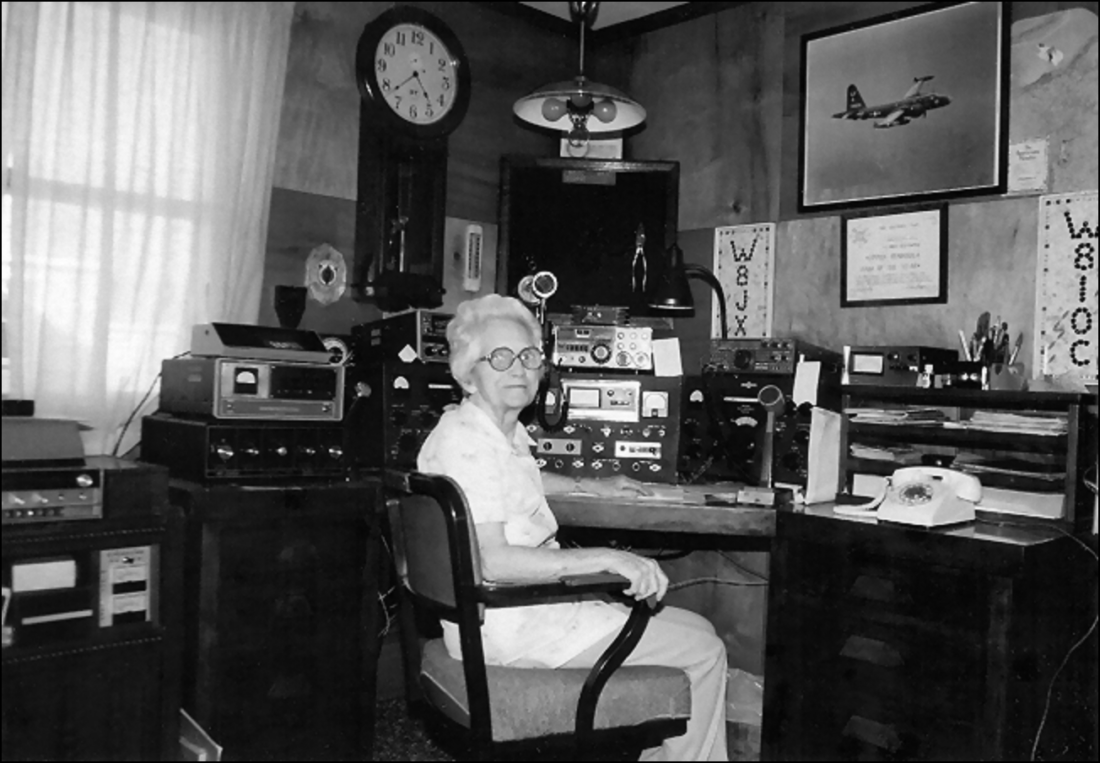
These are examples of local residents being involved in amaterur radio activities. (Photos via the Marquette Regional History Center)
-
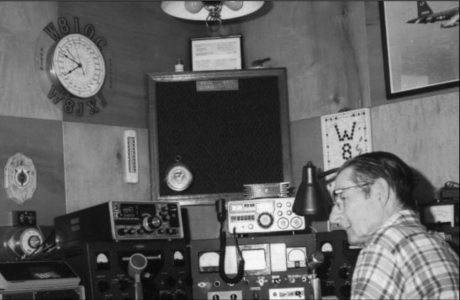
- These are examples of local residents being involved in amaterur radio activities. (Photos via the Marquette Regional History Center)
Ham radio, or amateur radio, is a popular hobby and public service which allows licensed individuals to communicate globally via radio frequencies. As radio developed in the early 1900s, powerful amateur stations could interfere or jam all other operations in the area. The frustrated commercial operators would complain about the amateurs, calling them “hams” or poor operators. While the original meaning has disappeared, the name has stuck.
In response to the interference, Congress passed the Radio Act of 1912 which required amateurs to be licensed and restricted them to the single wavelength of 200 meters. Over the years, amateurs have been allocated additional bands, or specific groups of frequencies. The 26 bands range from 1.8 MHz to 275 GHz. Depending on the band, ham operators can talk across town, across the world or even out to satellites in space.
In addition to operating for their own enjoyment, hams provide communication in emergency situations as well as serving the community at large. One of their public service activities is providing communications during local races such as the Noquemanon Ski Marathon, the Ore-to-Shore Bike Race and the UP200 Sled Dog Races.
This weekend, ham radio operators will be stationed at various points along the routes. As they track the progress and safety of sled dog teams, they report everyone’s location back to race headquarters in Marquette. This is particularly useful in areas of the Upper Peninsula that do not have cell phone coverage.
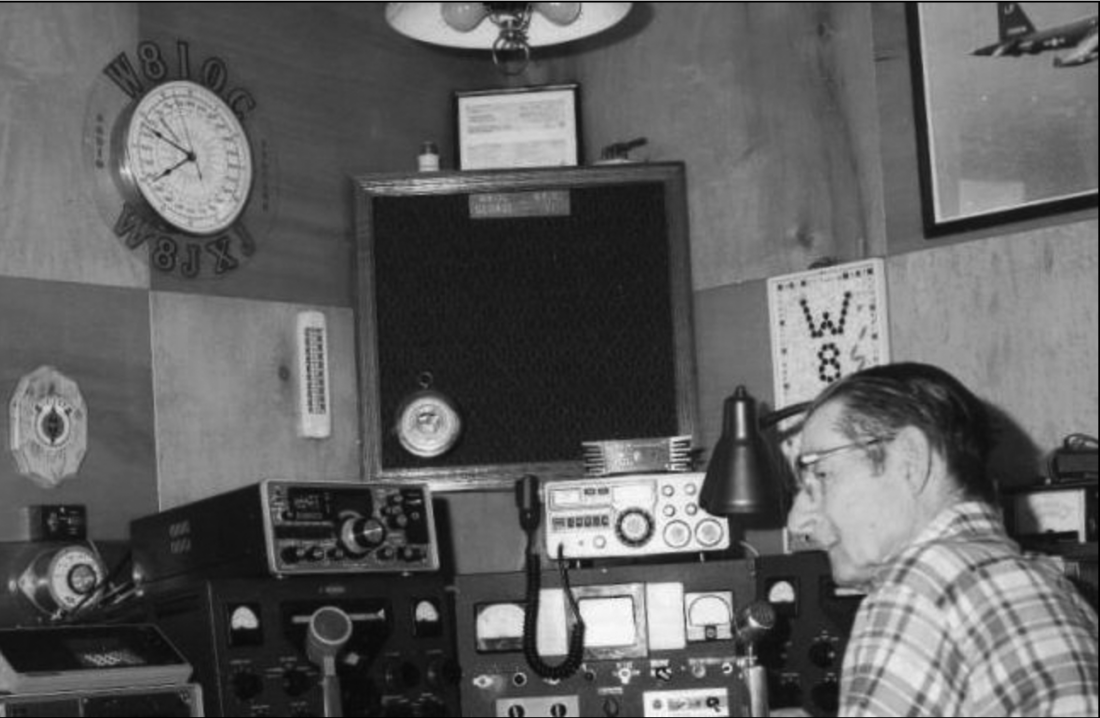
The local radio club had its beginnings in 1932 when a group of 15 amateur radio operators formed the Marquette Radio Association. In June 1933, they were chartered by the American Radio Relay League and renamed the Hiawatha Amateur Radio Association of Marquette County (HARA). Activities were suspended during World War II, with the club being reorganized in 1952.
HARA helped the March of Dimes Telethon at TV6 get off to a good start. Prior to the establishment of toll-free telephone lines, ham radio operators across the Upper Peninsula set up stations in their own homes, where they would take pledges before relaying them to headquarters, set up just outside the television studio. The pledges were written down and run inside to be announced on air.
The club also helps during emergency situations. During some large forest fires near Ishpeming and Champion in the late 1980s, the police and fire radio channels were jammed and communications went down. The amateurs were called in to help and soon headquarters and outposts were talking again.
Recreationally, HARA has held “fox hunts” where small teams follow a radio signal broadcasting in Morse Code. When they find the “fox,” a small, hidden, transmitting device, they also find a clue that helps them locate the next transmitter.
The club has also participated in the International Lighthouse Weekend. Other hams will “paper chase” or “certificate hunt” like collecting baseball cards. After they’ve contacted the operators at a station temporarily set up in the Marquette Lighthouse, they are sent a card with a picture of the lighthouse. During the 2000 Lighthouse Weekend, the Hiawatha club made about 1,000 contacts to 218 lighthouses in more than 40 countries around the world.
Anyone can listen to ham radio signals. If you’d like to listen to the ham operators working the UP200 this weekend, you can listen to the livestream of Station K8LOD online at qsl.net/k8lod/.
To join the world of ham radio operators and be licensed to broadcast, you need to pass a test (with 75% or better) and receive a license from the FCC. The test covers electronic and communication theory, FCC rules and regulations, and how radio signals work.
Superior History
History quiz
QUESTION: Prior to the 1937 Lumberjack Strike in Gogebic County, what were lumberjacks typically paid? a. ...
U.P. Moments in History
National pastime – Early baseball in the Upper Peninsula
MARQUETTE — This evening’s Major League Baseball marquee matchup between the New York Yankees and San Francisco ...
National pastime- Early baseball in the Upper Peninsula
History quiz