
What’s Flying: October days meant to be savored
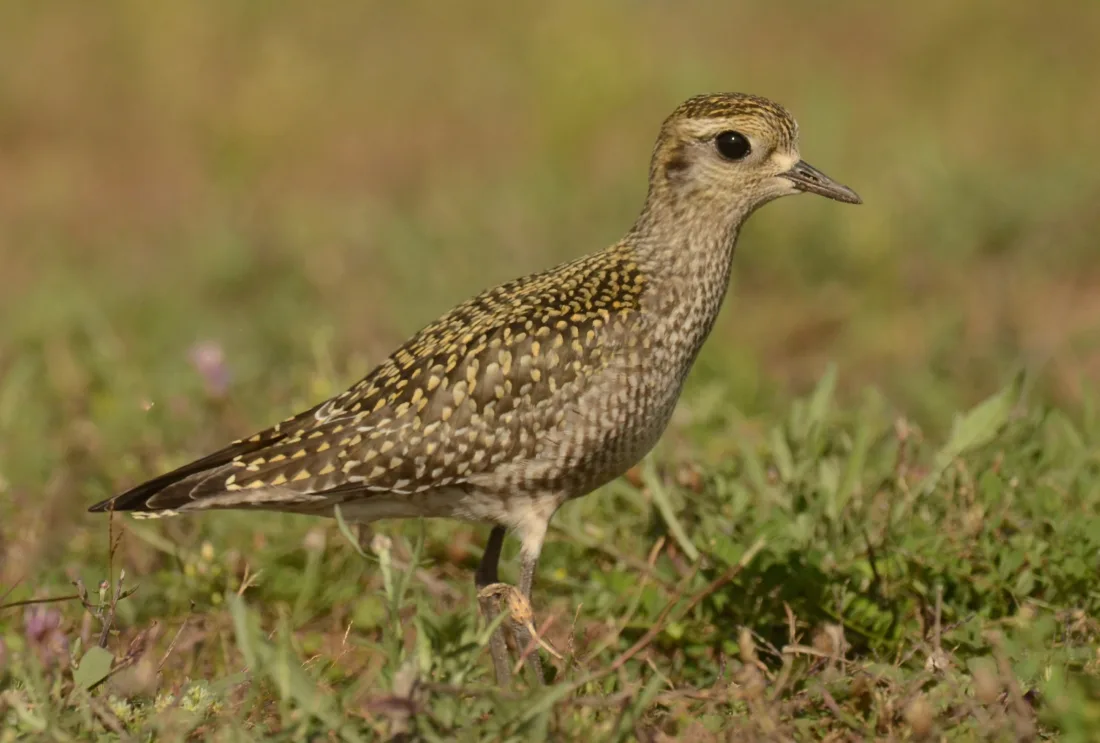
An American golden-plover looks on. (Scot Stewart photo)

STEWART
An American golden-plover looks on. (Scot Stewart photo)
STEWART
Trending
"I'm so glad I live in a world where there are Octobers." - L.M. Montgomery
When it comes to Autumn, September here truly beats around the bush. Most days it sure seems like it is still summer. But for October, fall means business. The maples are decked out in an amazing array of crimsons, bright orange, gold and yellow, with touches of burgundy, pink, and a few other hues that don't even have names yet. Nearly all the goldenrods and asters have faded and most of the migrating birds are now to the south.
Take a walk in the woods, especially like Presque Isle Park in Marquette after the last drizzle and the sounds of soft songs have been everywhere. The gentle trills seem to be around fifteen feet up in the trees, but they are not from birds. The short bursts are from frogs, spring peepers mostly, but they might be from a gray tree frog or two also. Because of the angle of the sun and the length of days now, the frogs are thought to be fooled into thinking its spring, especially on warmer days when its damp, when the conditions are similar. It's the males peeping, but they are not the loud continuous calls heard in ponds in springtime.
The same thing can go for ruffed grouse. Males can sometimes be heard drumming in fall because of the length of daylight and angle of the sun. They may also call to maintain their territory for the winter months. A ruffed grouse was also heard on Wednesday at Presque Isle this week. This is a surprising place to hear them as they are not known to be permanent residents of the park. They are all great sounds to hear in fall but can make individuals a bit nostalgic for spring!
Some of the noisier birds still being heard on Presque Isle are the falcons. Both merlins and peregrines have been seen and heard in the park this week and have been especially interested in the small flocks of blue jays.
Despite the calendar though, migration is not over. A few shorebirds are still streaming across the U.P. Spotted sandpipers and sanderlings have been seen at several spots. On Wednesday a flock of 28 American golden-plovers circled over the lower reaches of the Dead River near the river mouth.
These plovers and black-bellied plovers are usually seen near the end of shorebird migration in the area and are often difficult to tell apart. The best way to tell them apart comes with a chance to see under the wings where they join the body. Black-bellied plovers have black patches there, and the American golden-plovers do not.
It has been so dry this fall most invertebrates, like worms, and even beetles and crickets, have been difficult to find. During some autumns the plovers stopping in the U.P. will forage across open spots, like the weedy fields on the east side of the Superior Dome, and the field around the mouth of the Dead River. Unless they stretch their wings, or take off, it may be impossible to tell which kind they are. Their winters though will, for the most part be very different. American golden-plovers will winter in a pocket of South America between Brazil and central Argentina. The black-bellied plovers will overwinter along most of the Atlantic and Pacific Coasts from the Canadian border to the southern parts of South America.
Warblers are still moving through the area too. The biggest numbers are of the hardiest, yellow-rumped, with still good numbers of Nashville warblers and common yellowthroats. The other hardy warblers, orange-crowned, are also still working through the area. At Whitefish Point a few American redstarts, blackpoll, pine, and palm warblers are coming through still also.
Flocks of American pipits, red-necked grebes, blue jays, common terns, Bonaparte's gulls, and horned larks are also being noted at Whitefish Point this week. Common and red-throated loons and dabbling ducks are also being counted. Diving ducks are really just getting started with some scoters and mergansers being seen across the area. One redhead was spotted on the Dead River near the mouth and few lesser scaups were seen at the mouth of the AuTrain this week too.
Once the diving ducks ramp up the Lower Harbor in Marquette will be a good area to see a variety of divers. It can include both scaups, redheads, all three species of scoters, buffleheads, ring-necked ducks, all three mergansers and eventually common goldeneyes and long-tailed ducks. Horned and red-necked grebes can also join them.
Other occasional waterbirds stopping there can include common eiders, eared grebes, ruddy ducks, and harlequin ducks. Good binoculars or a spotting scope are particularly handy to have at the Lower Harbor unless birders have the time to check the area from both the breakwall and Founders Landing. Many of the diving ducks seem to gravitate toward Founders, but long-tails and most of the grebes are more often found out in the deeper waters like those at the end of the ore dock and beyond. Some of the best views of these birds come from the few wandering into the harbor on the north side of the ore dock. They can occasionally be seen quite near the Mattson Harbor dock. Some of the best days to see them are during windy days with rough seas when some of the birds will move into the more sheltered areas.
As the days move deeper into the season, the Lower Harbor can also be a good place to look for vagrant gulls. Glaucous, iceland, slaty-backed, lesser and greater black-backed gulls can show up, especially on the old dock pilings on the north side of the ore dock. These days in October are definitely meant to be savored.