
What’s Flying: Time to enjoy the end of summer
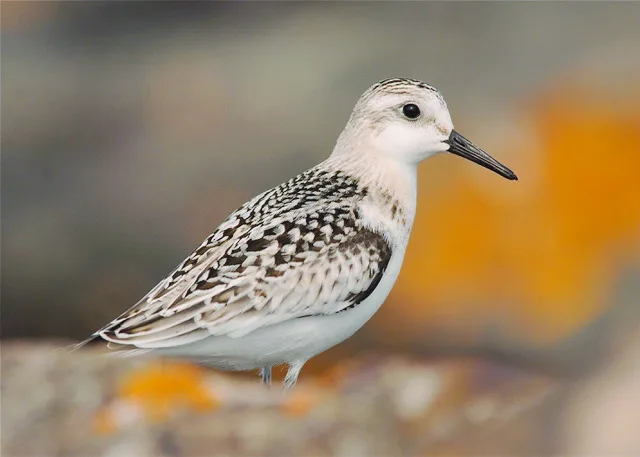
A sanderling looks on. (Scot Stewart photo)

STEWART
A sanderling looks on. (Scot Stewart photo)
STEWART
Trending
"Autumn...The year's last, loveliest smile." - John Howards Bryant
This month has reinvigorated the "start of autumn" discussion with the extremely variable weather and the uptick in the number of maple trees showing pronounced changes in color for the season. The prolonged drought across much of the western Upper Peninsula continues to be reflected in wilting wildflowers, brown grass, and trees showing a variety of seasonal color change from yellow treetops to maples nearly have changed over with plenty of crimson branches.
The lack of water available in some spots to both birds and other animals like chipmunks is becoming more and more apparent Some gardeners are noting a fair assault on their ripe cherry tomatoes as birds like thrushes and some rodents reach literally for the low hanging fruit, take a bite, and consume the liquid and seeds from within. Birdbaths have also been busy with both drinking and bathing birds. Unfortunately, for the central and western U.P. it appears these dry conditions will continue for a while yet, so keeping both bird baths and hummingbird feeders filled is really important, for supporting local birds. As a courtesy - leave a few tomatoes out there too!
For the hummingbirds, the UPBirders.org email service provided a huge amount of information on both current sightings across much of the U.P., and on hummingbird migration for the area. A recent email thread began with an observation and question asking if others were still seeing hummingbirds at their feeders. While some have seen sporadic activity, must have seen at least a few birds, and others noted their feeders have been very busy requiring regular refilling with eight or more birds feeding.
In typical years, most local male ruby-throated hummingbirds have left the area by Sept. 1. That have proven to be the case at most feeders currently. As hummingbirds continue to trickle down from Canada, some males may occasionally appear, but usually for just a day or so. Females and young make up most remaining birds as they continue to gain the extra weight, they need to begin the long travel ahead mostly to Mexico and Central America. They follow on of two flights, either directly across the Gulf of Mexico or along the Gulf Coast. A few do winter in southern Florida and along the Gulf.
Warbler migration has continued to build. At Whitefish Point Tuesday a dozen species of warblers was on the Waterbird counter's tally for the day. In the list were a number of "out-of-towners", warblers probably coming from the boreal forest farther north in Canada. Blackpoll, Wilson's, bay-breasted, and Cape May were seen. There are small numbers of some of these warblers that do remain in the U.P. during the summer, like the Cape May and bay-breasted, but north spend summers over the border before heading back to the Caribbean, Central and South America. A total of 56 yellow-rumped warblers were on that count. With a number that high, some were most likely coming some distance to get there.Eight different species were observed at Miners Castle Wednesday, with similar results.
Clear nighttime skies and calm winds are a big help to migrants, and this fall has definitely provided much of both this in August and September. The result may be fewer sightings of some migrants birds, with some making shorter stops to take advantage of good flight conditions, and some possibly able to continue because they don't need some stops.
At Whitefish Point the numbers of shorebirds have been fairly low many days with only a few species seen. Plovers, both black-bellied, land semipalmated continue to stop at several sites currently. Sanderlings, least and Baird's sandpipers have also stopped on beach at the mouth of the AuTrain River on a couple of days. Yellowlegs have also been seen occasionally.
One of the more interesting birds showing up along the north shore of Lake Michigan this past week has been great egrets. These large white waders nest as far north as the Wisconsin-Michigan and occasionally wander in late summer and early fall farther north. They have been found recently at the Fishdam River Mouth in Delta County between Nahma and Garden Corners and at the Portage Point just south of Escanaba.
Great egrets are two to three years old when they first breed, so younger birds, like American white pelicans and swans, occasionally wander before nesting for the first time. They can help reduce competition for food between individuals during summer months and can also help extend the summer range of the species in future years.
Some years past individual and even small groups of great egrets have made it farther north, appearing at Seney National Wildlife Refuge, in Munising, and in Marquette. Several years ago, five spend the better part of a week near and along the Dead River, even foraging for insects along the creek that parallels Presque Isle Ave. and empties into the Dead. The Dead River is surprisingly shallow along a good part of the area just above the mouth and the Lakeshore Blvd. bridge and is a perfect spot to look for great egrets, great blue herons, trumpeter swans, and dabbling ducks. More than a hundred mallards are sometime seen foraging there, but a careful look can reveal green-wing teals, hooded mergansers and other ducks during migration with them.
Birders will be watching the weather carefully for the next few weeks to look for good days during migration when birds will be slowed by south winds and rainy or conditions. This will also be true for monarch butterflies as they start their journey around Lake Michigan to Peninsula Point and make the jump to Door County en route to Mexico. Time to enjoy the end of summer or the start of fall as the asters and goldenrods line the roads and trails and join southbound birds.