
Transition to winter comes in fits and starts

Scot Stewart
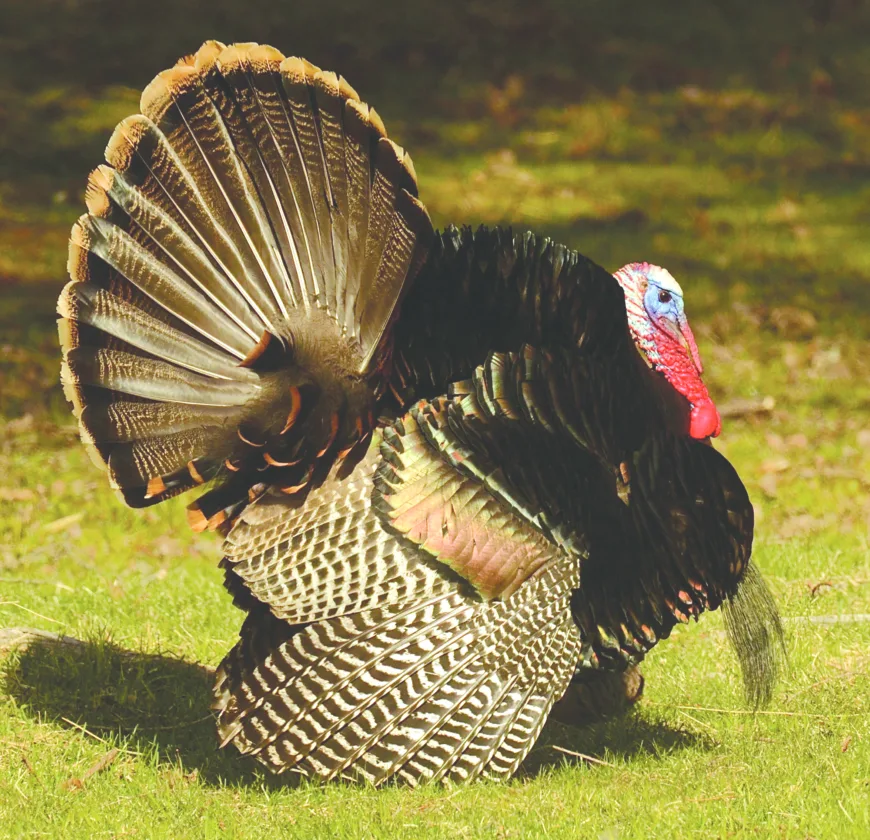
Wild turkeys like this one have been seen in flocks around Marquette numbering around a dozen in south Marquette and in the Trowbridge area recently. (Photo courtesy Scot Stewart)
Scot Stewart
Wild turkeys like this one have been seen in flocks around Marquette numbering around a dozen in south Marquette and in the Trowbridge area recently. (Photo courtesy Scot Stewart)
Trending
Wild turkeys like this one have been seen in flocks around Marquette numbering around a dozen in south Marquette and in the Trowbridge area recently. (Photo courtesy Scot Stewart)
November finds itself at the critical junction between autumn and winter, while it's also a time of thankfulness.
The seams between the seasons are never quite distinct enough to be perfect. Cut with the rough scissors of weather, uneven temperatures, unpredictable colors of changing trees, unexplainable patches of fog and snow, and untimely arrivals of flowers, insects, birds and relatives can leave even the most experienced scratching their heads at what is happening.
Most individuals meet the changes of new seasons with high anticipation and excitement. This can be especially true when the changes are overdue. But some of the changing seams are more welcome than others.
The seam between autumn and winter may be one of the most difficult transitions of the four in the Upper Peninsula to ease into. It not only has the changing landscape but the knowledge of what is to come. It brings considerable loss -- tree leaves and other green plants, a plethora of colorful tropical songbirds on summer vacation, the fragrances of a long array of flowers, from rich embracing sweetness of wet, fallen leaves and the faint scent of goldenrod, the songs of late frogs and crickets, and more.
The gifts of the arriving winter season weren't well decked out for its start, but it did appear to arrive rather crisply and cleanly this week across the U.P. It came with a clean blanket of white snow and temperatures finally low enough to put a skim of ice on many of the smaller ponds and lakes in the area.
Some of the best snowstorms begin as rain or wet snow, giving the early flakes a chance to stick and freeze to bare branches. If the snow comes with little or no wind they can cling even better, decorating each twig with a winter white wrap at least until the first breeze comes along and objects.
This first widespread snow was a real beauty. The icy transition did leave things hard and slippery and created some travel challenges. The five-plus inches, though, made for a durable coating able to hang on in many sheltered, shaded glens for several days. Add to it several gorgeous sunsets and it was a beautiful way to start Thanksgiving week.
The slow seasonal transition since October has brought plenty of unusual birds. One of Marquette's late fall highlights was an ash-throated flycatcher at the north end of town. It was the first report of this species in Marquette County. Large flocks of snow buntings have popped up across the U.P. and more recently flocks of bohemian waxwings, up to 300 in some, have appeared, especially in eastern U.P. counties and in Marquette.
Last Monday, one birder drove around town and found four Marquette sites with waxwing flocks. With their chestnut head and tail markings, red-and-yellow wing marking, they are one of the best splashes of color on the winter landscape!
Wild turkeys, once almost unheard of in the U.P. 30 years ago, are busy in Marquette, and in many parts of the southern U.P., too. A flock of 11 has been seen between Pioneer and Division streets in south Marquette and 14 were seen in Trowbridge last Monday.
Small groups of both summer resident trumpeter and migrant tundra swans have continued to appear this fall, too. The grace of swans is nearly always cause for admiration with their long-necked profiles and the haunting calls of the former and the squeakier toots from the tundra swans as they continue on to the Atlantic Ocean for the winter.
The Mackinac Straits have had a different variety of late fall guests. Raptors migrate across the narrows in numbers high enough to initiate a raptor counter there in the fall to track them. A good variety of hawks continue to stream through with sharp-shinned, rough-legged, red-shouldered and red-tailed hawks seen in the last week along with a merlin and a turkey vulture.
Eagles have been more numerous, both bald and golden eagles, seen heading southbound, the latter occasionally in double-digit numbers on some days. Golden eagles are permanent residents of the western states, but in the east they overwinter in the central states and pockets of more remote places like the Appalachian Mountains.
Grouse have provided a variety of notes this summer in the U.P. Ruffed grouse have been seen with some regularity in a few places. Their numbers are up slightly from last year but are still near the lower end of their 10-year cycle. Sharp-tailed grouse have not been seen on many eBirder's lists this summer, with most of the U.P.'s birds located in open areas in Mackinac and Chippewa counties, particularly around Pickford and Rudyard. Just a few can be found in pockets in Schoolcraft, Alger and Luce counties.
The woods around Paradise in Chippewa County have afforded birders opportunities to get great, close-up looks at spruce grouse. Spruce grouse are primarily found in areas with conifers -- often jack pine, spruce, balsam fir and tamarack.
Over the past year they have been seen on North Preacher Road west of Paradise. In recent months they have been seen near the tip of Whitefish Point, occasionally right on the boardwalk heading out to the tip of the point. To get a close up look at this rare year-round resident is a real treat. Because they can appear quite tame, they may just slowly walk off if encountered.
With the dramatic change in weather, birds and mammals are already beginning to show some changing developments in their feeding strategies, especially toward more time at neighborhood feeding stations.
There are no signs of winter owl visitors yet, but local great horned owls have been vocal in the Trowbridge area near Marquette.
There will definitely be more in store to enjoy with the long winter months to appreciate and be grateful for in all of the U.P.'s natural scenes.