
Returns of wolves divided densely populated Netherlands
Trending
DE HOGE VELUWE NATIONAL PARK, Netherlands -- The return of wolves to the Netherlands some two centuries after they were hunted to extinction was seen as a fairy tale comeback and a conservation success story.
But the initial joy when a pair of wolves first bred in the Netherlands in 2019 soured as the return of the apex predator led to deadly attacks on livestock and unwanted encounters with humans that have fed into existing tensions in Dutch society.
Wolf numbers are growing across Europe, and the population in the Netherlands -- estimated at fewer than 150 divided into about 15 packs -- is tiny compared to those in many other European Union countries where wolves have been established for far longer.
Even so, the densely populated nation of 18 million people with an influential, multibillion-dollar agricultural industry is the backdrop for a particularly prickly debate about just how well the wolf, a protected animal across the EU, can coexist with people and livestock.
While packs often remain in their own territories, lone wolves can drift around the country. Tracking data gathered by researchers at the respected Wageningen University and Research institute showed a single wolf covered over 1,500 miles in three months, swimming over a major river twice and crossing several highways.
The Dutch government announced this week that it intends to allow some wolves to be culled, citing the need to prevent attacks on people and animals.
Farmer fears for sheep
When Robertjan Feijen first began raising sheep in the rural northeast of the Netherlands about a decade ago, wild wolves were a distant memory. His sheep grazed on other farmers’ fields and pastures that are submerged during the winter to create speed skating ovals.
Things changed fast.
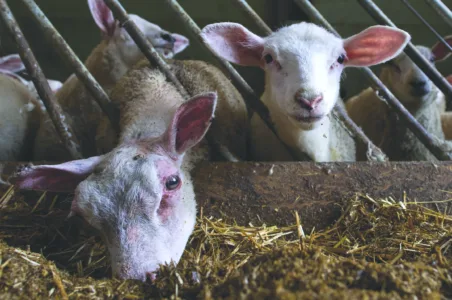
Since wolves returned to the Netherlands, the farmer has lost around 250 to 300 sheep in more than 50 wolf attacks.
The worst feeling for Feijen is if he has helped deliver a lamb and then sees that animal maimed or, worse still, “you see it lying dead, completely ripped open and then looking around you, it’s a battlefield with dead animals in ditches,” he said. “It’s indescribable.”
Researchers at Wageningen reported wolves killed more than 3,300 animals last year in the Netherlands, almost all of them sheep, and farmers were paid nearly $1.6 million for their livestock losses.
Farmers can also get subsidies for protective measures like electric fences. But Feijen said the government support doesn’t come close to covering his losses. He feels forced now to keep many of his sheep in his barn.
Wary walk in the woods
Photographer Liesbeth van Asselt has lived near the forests and heathlands that border the central town of Epe all of her 62 years and loves to walk the paths that crisscross shady groves of pine and oak.
But such outings are no longer a source of carefree relaxation.
Even though reports of wolves attacking dogs are rare, when Van Asselt walks with her dog, Raico, she wears a red whistle around her neck to scare off wolves that sometimes walk down the sandy roads near her garden.
“I think we can have an amount of wolves in the Netherlands, but not in between our houses, walking in our streets and in our gardens,” Van Asselt said.
Wolves in nat’l park
At De Hoge Veluwe National Park, a tourist destination in the central Netherlands, the return of the wolf is having a potentially devastating effect on the protected landscape of inland drifting sands.
Head of operations at the park, Jakob Leidekker, points to countless Scots pine saplings sticking out of a sandy plain. Wild sheep introduced from Cyprus and Corsica called mouflons used to graze on the young shoots before they could mature.
“All the mouflons are gone now because they were killed by wolves,” Leidekker said. “And what you see now is that all these pines are getting up.”
The park is home to the Kröller-Müller Museum and its jaw-dropping collection of Vincent van Gogh paintings and other artworks. Some 570,000 people visited the park last year, many of them riding through forests and sand dunes on a fleet of white bicycles. Visitors are now handed a pamphlet explaining what to do if they encounter a wolf.
Sheep of farmer Robertjan Feijen are kept inside in the summer on June 16 after several attacks by wolves in Oldeberkoop, Netherlands. (AP photo)