
To Your Good Health: Cosmetic results of surgery for a fatty tumor can vary greatly
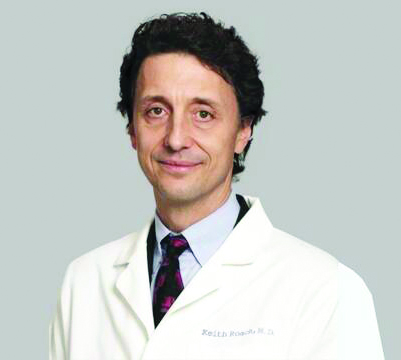
Dr. Keith Roach
DEAR DR. ROACH: I was diagnosed with a large fatty tumor on my left thigh. It’s very ugly. What can I do to get rid of it? — V.O.P.
ANSWER: Lipomas are common fatty tumors that may occur on the trunk or the limbs. The vast majority are benign, but very large tumors can possibly be liposarcomas. So, an ultrasound or MRI prior to treatment should be considered.
Surgery is the standard treatment. I’ve had patients in whom surgery was done very easily and took very little time, while others have had much more extensive surgeries when the tumor is deep and not well-encapsulated.
The cosmetic results from surgery are variable, and I have had more than a few patients who were so unhappy with their appearance afterward that they wished they hadn’t gotten it done. So, if you are considering treatment just because of its appearance, I would think twice before committing to surgery. Liposuction is another option for lipomas, but this is often not attempted for very large tumors (greater than 11 centimeters).
DEAR DR. ROACH: I am a 90-year-old man who is in reasonably good health. I try to follow best practices in terms of my diet, exercise and lifestyle. I take seven medications daily that control my blood pressure and cholesterol very well. My medications include 5 mg of warfarin daily due to a stroke from 20 years ago.
My dilemma is that many vegetables and fruits I would like to eat as part of a healthy diet (such as broccoli, spinach and asparagus) are high in vitamin K and are restricted for me. My PT/INR is closely monitored and varies somewhat within the desired range of 2.5-3.5 seconds (and sometimes outside this range). How can I best maintain a healthy diet under these circumstances? — D.C.
ANSWER: Warfarin (Coumadin) was the only oral anticoagulant for many years, and it remains the only effective medication for several indications. Warfarin works by blocking vitamin K, which leads to a reduced level of clotting factors.
However, most people who are put on anticoagulants now use newer agents like apixaban (Eliquis) or rivaroxaban (Xarelto). These have major advantages such as steadier levels of anticoagulation without having to measure levels and without needing to watch your diet from the standpoint of vitamin K.
I suggest that you ask your doctor if you could switch to one of the newer agents. Well-done studies have now proven conclusively that the newer drugs are at least as effective as warfarin for most indications, but whether you can go on it remains a question for your neurologist.
If you need to stay on warfarin, then you should know that high-vitamin-K foods, many of which are very healthy for your body, are not “restricted.” What is critical is that you consume roughly the same amount of these foods every day. The dose of warfarin needs to be appropriate for the amount of vitamin K that you take in.
This means that if you start eating more vitamin K (leafy greens are the leading source), then you will need more warfarin. During this period of time, you would need to be monitored carefully, and the dose would likely be adjusted upward.
Dr. Roach regrets that he is unable to answer individual letters, but will incorporate them in the column whenever possible. Readers may email questions to ToYourGoodHealth@med.cornell.edu.