
What’s flying: Some migrants still around late in season
Trending
It’s never too late in life to have a genuine adventure. -- Robert Kurson
There seems to be a slight air of tardiness across the Upper Peninsula so far this fall. At least for some things. Newberry did get a touch of snow recently, but many of the area's maple trees are easing slowly into their fall wardrobe. The relatively wet summer and the extra three inches of rainfall above the normal monthly average for September have delayed some of the regular color changes. Currently showing many maples with red or deep orange robes. Storms, with strong winds, like the ones this week though, may literally dash the hopes for a more spectacular showing right off the trees, creating what is sure to be an adventurous ride for them and a sparer show for those on color tours.
In Marquette a few sandhill cranes are still hanging around feeding stations. Late by most standards, at least one adult crane feeding on cracked corn has continued to visit an area on the north side of the city. A pair with one colt, seen there too, has been feeding in the same area on a regular basis all summer. A single sandhill crane was also spotted Tuesday in the Stonington Peninsula in Delta County. To gauge the lateness of these, the last sandhill crane officially counted at Whitefish Point appears to have been on Sept. 19.
On the Stonington Peninsula, one of two peninsulas reaching down into Lake Michigan east of Gladstone and Escanaba, many other late departures were also seen on Tuesday. The wave of migrants headed southward included 15 species of warblers. Some of the warblers seen included Canada, Wilson's, blackpoll, black-throated blue, magnolia and chestnut-sided -- all species long gone from most locations in the U.P. Other late sightings included a pair of eastern phoebes, a least flycatcher and four blue-headed vireos.
These peninsulas can act as funnels for migrants heading either north or south and following the Great Lakes shorelines, tired from crossing stretches of water, or waiting, as they do in fall for favorable winds to carry them out over the water as they head south. Occasionally bottlenecks occur, creating a wonderland of waylaid birds, resting, foraging and waiting. The Stonington is one of the best places like this in the U.P.
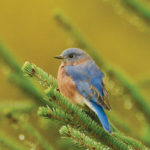
Late eastern bluebirds have also been a great U.P. story recently. A large flock lingered in the fields and pine-spruce borders adjacent to the softball field in Beaver Grove where U.S. 41 and Marquette County Road 480 intersect. Around 30 bluebirds huddled in the conifers between forays into the goldenrod, aster and grasses for insects like grasshoppers and midges. Palm warblers, chipping and savannah sparrows also foraged through the same area. On one afternoon, 20 robins and a dozen cedar waxwings stopped in the pine trees. A late northern harrier and several turkey vultures passed through. Ten eastern bluebirds were also found at the tip of the Stonington on Tuesday.
This has also been a great fall for American golden-plovers in the area. The end of September and early October is not a late time for them but can be adventurous for them as they begin to run into stranger weather and occasionally food shortages. They continue to be seen in small numbers almost daily at Whitefish Point in Chippewa County. Last Saturday, a dozen American golden-plovers and a single black-bellied plover landed on the edge of the Dead River near the mouth in Marquette and foraged. They returned Sunday afternoon, and moved into a grassy area where a water seep occurs to forage for grasshoppers, flies and earth worms. The group included an adult of each species still in partial breeding plumage.
The group appeared to have been joined by a 14th individual and spent at least three hours feeding there. Like a family of plovers near the Superior Dome last week, this group spent a considerable amount of time hunkered down in the short weeds and grass trying to disappear as peregrines and/or bald eagles circled overhead. Because there is a considerable amount of bird activity -- with gulls, shorebirds, horned larks and American pipits there, --predators make regular passes through the area looking for a vulnerable individual to prey on for a meal. It is quite surprising how the plovers, about 8 to 10 inches tall when standing completely erect, can lower themselves down, and when motionless, become nearly invisible. The markings on their back, combined with the browns, tans and white colors help them blend in so well. Even when an observer knows they are present, they can lose them in even short vegetation when they flatten out.
Geese are on time and there seem to be plenty around town. Playing fields, golf courses and other open grassy area are taking turns hosting flocks. On fairways near Grove Street at least four different groups of geese were seen feeding on Tuesday, despite the play of a number of golfers. On fields along Mangum Road snow geese have been seen too.
One of the best spots for birding the last two weeks has been the old Marquette city composting site on Lakeshore Boulevard. Large flocks of savannah sparrows, geese, Lapland longspurs and mixed species have been there daily, along with other birds like bobolinks and indigo buntings. At least three young white-tailed bucks and a red fox have also been seen there. It's never too late to get out and find something unusual to complete a great adventure.
EDITOR'S NOTE: Scot Stewart is a teacher at Bothwell Middle School in Marquette and a freelance photographer.